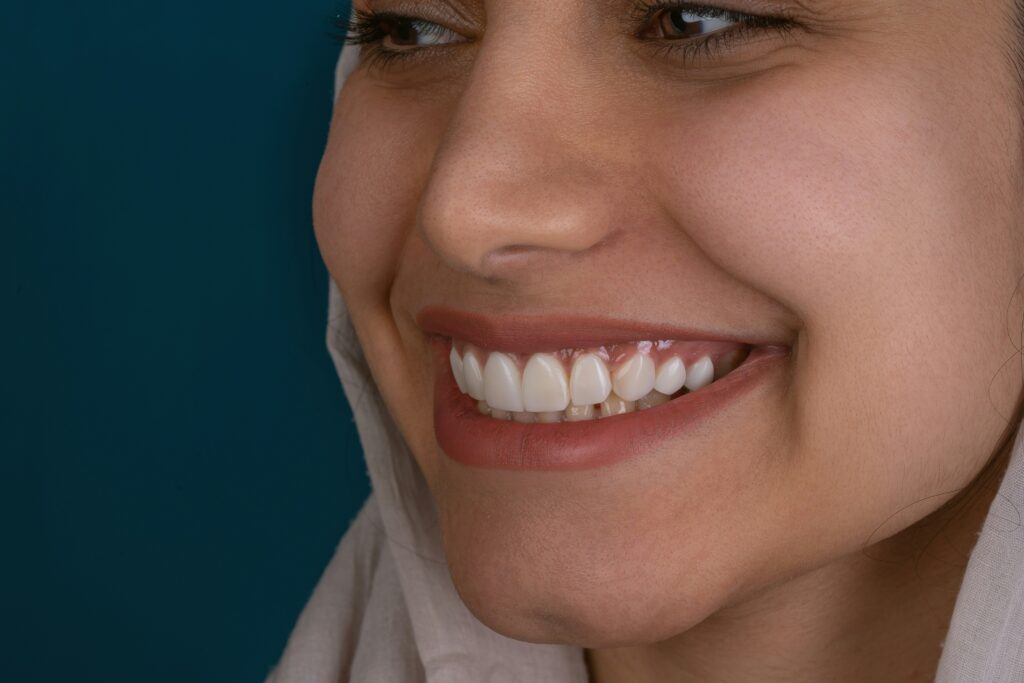
Braces or clear aligners can straighten your teeth and change your life. Yet treatment can also leave your mouth at risk. Food gets trapped. Gums swell. Teeth stain. You may feel nervous about pain or damage. You might even think you should wait to fix problems until treatment ends. That choice often leads to decay, infection, and costly repairs. Instead, you can protect your smile now with simple daily steps. A dentist in Sherman Oaks can guide you, but you control what happens between visits. This blog shares six clear tips you can use today. You will learn how to clean around brackets, choose safe snacks, manage soreness, and protect your teeth during sports. You will also see how to spot early warning signs before they turn into emergencies. Your braces should give you a strong smile, not weaken it.
1. Brush with care and purpose
Orthodontic treatment creates new hiding spots for plaque. That sticky film attacks your teeth every day. You need to brush longer and in a different way.
Use this simple routine.
- Brush two minutes, two times each day.
- Angle the brush toward the gumline. Then clean above and below brackets.
- Use a soft brush to avoid scraping your gums or braces.
- Clean your tongue to remove germs and odors.
The American Dental Association explains that fluoride toothpaste protects tooth enamel from decay.
2. Floss every day, even with braces
Flossing feels harder with wires or aligners, yet it matters more now. Brushing alone does not reach between teeth. Food and plaque sit in those tight spaces and cause cavities.
Use one of three tools.
- Floss threaders to slide floss under the wire.
- Pre-threaded orthodontic flossers for faster use.
- Water flossers to rinse around brackets and under the gumline.
Always move the floss up and down along each side of the tooth. Do not snap it. Take your time. Clean between every tooth, every night.
3. Choose snacks that protect your teeth
What you eat during treatment can help or harm your smile. Sticky or hard foods pull on wires and crack brackets. Sugary drinks feed germs and cause white spots on teeth.
Use this table as a fast guide.
| Food or drink | Safe with braces or aligners | Why it helps or hurts
|
|---|---|---|
| Plain water | Yes | Rinses food away and does not feed germs |
| Milk or unsweetened yogurt | Yes | Gives calcium and protein for strong teeth |
| Soft fruits like bananas or berries | Yes | Easy to chew and gentle on braces |
| Raw carrots or whole apples | Only if cut in small pieces | Biting whole pieces can bend wires or pop brackets |
| Popcorn, nuts, ice | No | Hard pieces can break brackets and chip teeth |
| Chewy candy or gum with sugar | No | Sticks to braces and feeds decay |
| Soda, sports drinks, energy drinks | No | Acid and sugar cause stains and cavities |
Instead of soda, drink water with meals. Instead of sticky candy, pick cheese, nuts that are ground, or soft fruit. Small changes protect your teeth and your braces.
4. Use fluoride and mouth rinses wisely
Orthodontic treatment can cause white chalky spots on teeth. Those spots show early decay. Fluoride helps stop that process and can repair weak enamel.
Use these steps.
- Brush with fluoride toothpaste twice each day.
- Ask your orthodontist about a fluoride rinse for night use.
- Spit after brushing. Do not rinse with water right away. Let the fluoride stay on your teeth.
The Centers for Disease Control and Prevention describe how fluoride protects teeth at every age. You can read the science and safety facts at the CDC fluoridation overview.
5. Protect your mouth during sports and play
Braces and aligners do not stop you from playing sports. Yet your mouth needs extra protection from hits or falls.
Follow three simple steps.
- Wear a mouthguard for any contact sport like football, soccer, or basketball.
- Use a guard that fits over braces or aligners. Ask your provider which kind is best.
- Replace a damaged mouthguard right away.
If you get hit in the face, check your braces in a mirror. Look for bent wires, loose brackets, or cuts inside your lips or cheeks. Call your orthodontist if anything looks wrong or feels sharp.
6. Keep every appointment and watch for early warning signs
Missed visits slow your treatment and increase risk. Regular checks allow your provider to spot small problems while they are still easy to fix.
Keep a list of changes and bring it to each visit. Pay attention to warning signs like these.
- Red swollen gums that bleed when you brush.
- Bad breath that does not improve after cleaning.
- Sores that do not heal within two weeks.
- Pain when you bite or chew on one side.
- Loose brackets or poking wires.
Call for help if you notice any of these signs. Do not wait for your next routine visit. Timely care reduces pain and protects your teeth.
Staying in control of your smile
Orthodontic treatment is a shared effort. Your provider adjusts the braces or aligners. You protect your teeth every day at home. When you brush with care, floss daily, choose safe food, use fluoride, guard your mouth during sports, and keep up with each visit, you lower your risk of damage and decay.
Your treatment can end with straight teeth that are also strong and healthy. That result starts with the steps you take today.