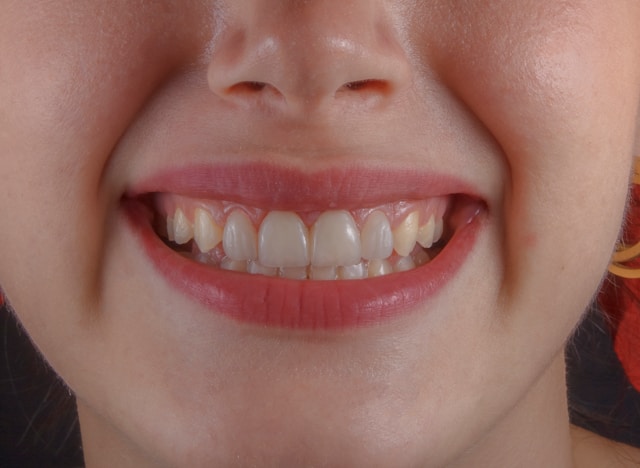
Healthy teeth shape how you speak, eat, and feel about yourself. Family dentistry helps you protect your teeth from childhood through older age. You see the same trusted team. They learn your history. They notice small changes before they cause pain or expense. This constant care builds strong habits for you and your children. It also reduces fear, confusion, and shame about dental visits. Instead, you learn clear steps you can follow at home. You also know when to ask for help. From first baby teeth to dental implants in Concord, family care gives you one steady path. You do not need to guess which treatment is right. You get simple guidance that fits your age, health, and daily life. This blog shares four practical ways family dentistry supports that steady path and helps you keep your teeth and gums strong for life.
1. One dental home for every age
A family dentist treats children, teens, adults, and older adults in one place. You do not shuffle between offices. You bring your whole household to one team that understands your shared habits and risks.
This single dental home builds trust. Your child watches you sit in the chair. You watch your child learn to open wide and ask questions. Fear fades. Routine care feels normal.
A family dentist can
- Track growth from baby teeth through braces and wisdom teeth
- Watch how pregnancy, new medicines, or chronic disease affect your mouth
- Plan for aging teeth, bone loss, and tooth replacement
The National Institute of Dental and Craniofacial Research explains that tooth decay is common across all ages. Early care and steady checkups lower that risk for everyone in your home.
2. Prevention that starts early and never stops
Family dentistry focuses on prevention. You learn how to stop problems before they need root canals or extractions. You also learn how to protect new dental work.
Your visits often include three simple steps.
- Check. Your dentist looks for cavities, gum disease, and signs of grinding.
- Clean. Your hygienist removes plaque and hardened tartar that you cannot reach at home.
- Coach. You get clear tips on brushing, flossing, and food choices.
Fluoride and sealants protect teeth for years. A family dentist can place sealants on your child’s molars as soon as they come in. That seals deep grooves where food gets stuck.
The Centers for Disease Control and Prevention reports that sealants can prevent most cavities in back teeth for children.
3. Early detection and simple treatment
Dental problems rarely appear overnight. They start small. Tiny spots of decay. Slight bleeding when you floss. A mild ache when you wake up. Regular visits let your family dentist catch these signs early.
Early detection often means
- Smaller fillings instead of crowns
- Deep cleanings instead of gum surgery
- Night guards instead of cracked teeth from grinding
When you treat issues early, you keep more natural tooth structure. You also spend less time in the chair. Your child sees short, calm visits instead of long, urgent work. That shapes how they feel about dental care for life.
You can use your family dentist as your first stop for any mouth concerns. Sore jaw. Chipped tooth. Dry mouth from a new medicine. You do not wait until pain controls your day. You call early. You get clear answers and a plan.
4. Guidance through every stage of tooth replacement
Even with strong habits, teeth can be lost. Injury, deep decay, or gum disease can lead to gaps. A family dentist helps you weigh options in a way that fits your age, health, and budget.
Common choices include
- Dental implants
- Bridges
- Partial dentures
- Full dentures
Your dentist already knows your bite, bone levels, and past work. That history helps you choose wisely. You also get help caring for new teeth long-term. Cleaning around an implant or under a bridge takes different tools and steps than cleaning a natural tooth. A family dentist shows you exactly how to do that at home.
To see how steady family care affects tooth loss, compare two common paths.
| Care pattern | Typical visit habits | Common results by midlife | Long term impact |
|---|---|---|---|
| Family dentistry home | Checkups and cleanings every 6 to 12 months | Fewer untreated cavities. Earlier gum disease treatment. | More natural teeth. Less need for urgent extractions. |
| Irregular, urgent-only care | Visits only with pain or broken teeth | Larger cavities. More infections. More extractions. | More missing teeth. Greater need for dentures or implants. |
How to use family dentistry to build lifelong habits
You can turn family dentistry into a strong routine with three simple steps.
- Schedule shared visits. Book checkups for you and your children on the same day. Treat it like you would school or work.
- Ask three questions every time. What should I keep doing? What should I change? What should I watch for?
- Post the plan at home. Write brushing and flossing steps on a card in the bathroom. Include how often and how long. Let your child mark off completed days.
The American Dental Association suggests brushing twice a day with fluoride toothpaste and cleaning between teeth once a day. You can confirm those steps in their public guidance at ADA brushing recommendations.
Conclusion
Family dentistry gives you one trusted place for every stage of life. You gain early prevention, early treatment, and clear support when you need tooth repair or replacement. You also give your children a calm, steady view of dental care. That view shapes how they treat their own teeth long after they leave home. When you keep regular visits and follow simple daily steps, you protect your smile and your health for years.