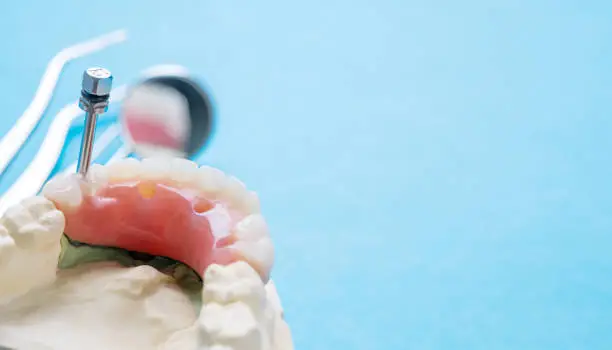
Your teeth tell the truth about your daily habits. Coffee, grinding, skipped flossing, and old fillings all leave marks. You might feel embarrassed or nervous. You might also feel tired of fixing one problem at a time. General dentistry gives you a different path. It blends repair with protection so your mouth can stay strong for years. An Annapolis dentist looks at your teeth, gums, and bite as one working system. First, you fix what hurts or breaks. Next, you protect what still works. Then you build simple routines that fit your real life. You get clear choices, not pressure. You learn what treatment you need now, what can wait, and what can stop new damage. This balance saves you money, time, and worry. It also gives you quiet confidence every time you eat, speak, or smile.
Restorative care fixes what is already damaged
Restorative care focuses on teeth that already have decay, cracks, or wear. You might notice pain, sharp edges, or food that keeps getting stuck. You might also feel nothing at all. X-rays and an exam reveal the hidden damage.
Common restorative treatments include:
- Fillings for small or medium cavities
- Crowns for teeth that are weak or broken
- Root canals to clean deep infection and save a tooth
- Bridges or implants to replace missing teeth
- Simple extractions when a tooth cannot be saved
Each step has one goal. You remove infection and restore strength so you can chew, speak, and clean your teeth without pain or fear.
Preventive care keeps small problems from growing
Preventive care focuses on what is still healthy. You protect it before damage starts. You also catch small problems early so treatment stays simple and low cost.
Core preventive steps include:
- Regular cleanings to remove plaque and hardened tartar
- Checkups and X rays to spot early decay and bone loss
- Fluoride treatments to harden enamel
- Sealants on back teeth for children and some adults
- Night guards for grinding and clenching
- Coaching on brushing, flossing, and diet choices
The goal is steady control. You keep your mouth stable, so fewer teeth need major repair.
How dentists balance repair and prevention
A strong general dentist does not push one side alone. You get a plan that blends both repair and protection at the same visit.
Here is how that balance often works during a routine visit:
- First, you share your main concern, such as pain, a broken tooth, or bleeding gums
- Next, the team reviews your health history and daily habits
- Then, you receive a full exam and need X-rays
- After that, the dentist explains every finding in plain words
- Finally, you agree on a step-by-step plan with clear costs and timing
Your plan usually includes three parts.
- Urgent care for pain or infection
- Short-term repairs to stop more damage
- Long-term prevention to keep repairs from repeating
This rhythm keeps you out of crisis mode. It replaces surprise visits with planned care that fits your budget and schedule.
Comparing restorative and preventive care
| Type of care | Main purpose | Common examples | Typical cost impact | Visit frequency
|
|---|---|---|---|---|
| Restorative care | Fix damage that already exists | Fillings, crowns, root canals, bridges, implants | Higher one-time cost for each tooth | As needed when problems appear |
| Preventive care | Stop new damage and catch early decay | Cleanings, exams, fluoride, sealants, night guards | Lower steady cost that can prevent big bills | Usually every 6 months or as advised |
This comparison shows a hard truth. You either invest small amounts in prevention or face larger repair costs later.
Why balance matters for your whole body
Your mouth connects to the rest of your body through blood flow and daily habits. Gum disease is linked to heart disease and diabetes risk. Untreated tooth decay can spread infection and affect sleep, work, and school.
The Centers for Disease Control and Prevention explains how poor oral health affects children and adults in work and learning settings.
Balanced care protects more than your smile. It supports clear speech in children. It supports good nutrition in older adults who struggle to chew. It also lowers the quiet stress that comes from constant tooth worries.
What you can do at home between visits
You control much of the balance through small daily choices.
Focus on three simple habits.
- Brush twice a day with fluoride toothpaste for two minutes
- Clean between teeth once a day with floss or tiny brushes
- Choose water and limit sugary drinks and snacks
The National Institute of Dental and Craniofacial Research outlines home care tips and common conditions.
When you pair these habits with regular checkups, you give your dentist a chance to spot changes early and adjust your plan.
Questions to ask your general dentist
You deserve clear, direct answers. During your next visit, you can ask:
- Which teeth need repair now and why
- What happens if I wait on this treatment
- How long each repair should last with good care
- What can I change at home to reduce new cavities or wear
- How often do you want to see me for cleanings and exams?
These questions shift your role. You move from a passive patient to an informed partner in your own care.
Finding your balance and keeping it
General dentistry works best when you and your dentist share the same goal. You want fewer surprises and fewer emergencies. You want teeth that work every day without drama.
Restorative care will always have a place. Teeth age. Life happens. Yet steady preventive care and honest planning can shorten the list of future repairs. The result is simple. You gain control. You protect your health. You keep your smile strong for the people and moments that matter to you most.