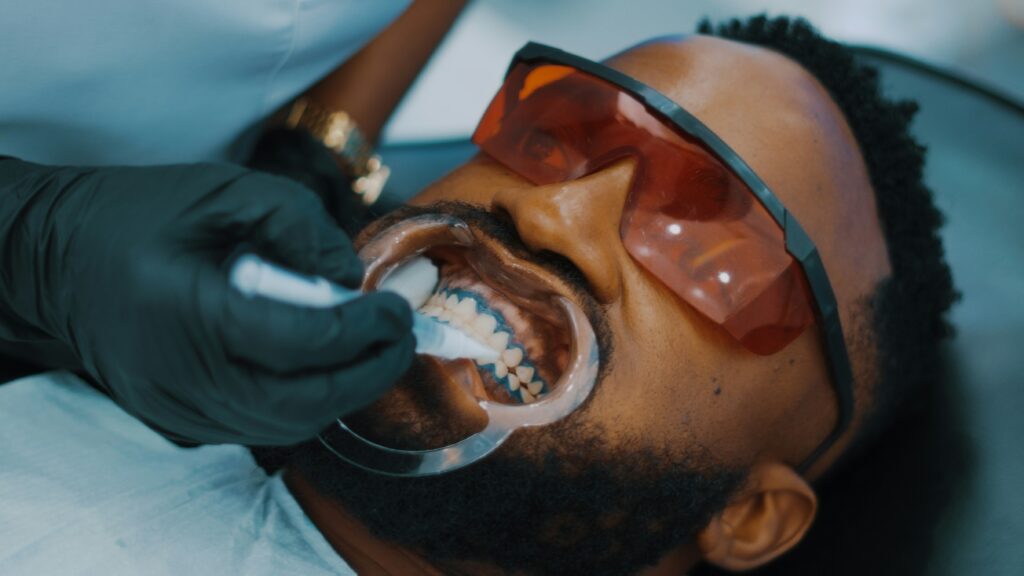
A healthy smile affects how you eat, speak, and connect with people. Cosmetic dentistry is not only about white teeth in photos. It is about comfort, function, and self-respect. When teeth are worn, chipped, or missing, you may avoid certain foods. You may hide your smile in meetings or family pictures. You may even speak less. That quiet pain builds over time. Cosmetic treatment can repair damage, protect weak teeth, and improve your bite. It can also help you feel more at ease in daily life. A dentist in Woburn, MA can use simple steps to close gaps, reshape teeth, or replace old work. Each change serves a purpose. You gain a smile that works better and feels safe. You also gain a steady sense of control over your health and how you show up in the world.
How Your Smile Affects Daily Life
Your mouth is part of how you move through each day. Teeth help you break down food. They support your jaw. They guide how you form words. When something feels off, you notice it during simple tasks.
- You chew on one side to avoid pain.
- You skip crusty bread, apples, or meat.
- You turn away from the cameras or cover your mouth.
These small choices drain your energy. They can even affect your mood and how you join family events. The Centers for Disease Control and Prevention explains that poor oral health is linked to lost work days and lower quality of life.
Cosmetic Care That Also Protects Health
Many treatments that seem only cosmetic also strengthen teeth. They support your bite and protect against future damage. They can help you clean your teeth better and lower the risk of decay.
| Treatment | What You See | How It Helps Function
|
|---|---|---|
| Teeth whitening | Teeth look brighter | May reveal spots that need care from a dentist |
| Bonding | Chips and cracks blend with the tooth | Protects weak edges and reduces risk of further breakage |
| Veneers | Even color and shape across front teeth | Supports worn teeth and can improve the way upper and lower teeth meet |
| Tooth colored fillings | Fillings match tooth shade | Restore strength after cavities and seal out bacteria |
| Dental crowns | Tooth looks whole again | Covers and stabilizes a cracked or heavily filled tooth |
| Implants or bridges | Fill spaces from missing teeth | Helps you chew, keeps nearby teeth from shifting, and supports jaw health |
| Aligners or braces | Teeth look straighter | Improves bite, spreads chewing forces, and makes cleaning easier |
Confidence, Communication, and Mental Health
Teeth that feel broken or stained can stir shame. You may stop smiling in photos. You may press your lips together when you laugh. Over time, this can affect close relationships and work life.
When you feel safe showing your teeth, you tend to:
- Speak up in meetings and classes.
- Look people in the eye.
- Join social events without fear of judgment.
The National Institutes of Health reports strong links between oral health and emotional health. Care that improves the look of your teeth can ease daily stress and support a steadier mood.
Cosmetic Changes Across the Life Span
Cosmetic dentistry is not only for one age group. Needs change as your body changes. Teeth carry the history of your life.
- Children and teens. Chips from sports, front tooth injuries, and stains from certain medicines. Simple bonding or shape changes can restore a young smile and protect growing teeth.
- Adults. Coffee, tea, or tobacco stains build up. Old fillings darken. Teeth wear down from grinding. Whitening, new fillings, or crowns can restore a strong bite and a clean look.
- Older adults. Missing teeth, dry mouth, and older dental work can make chewing hard. Implants, bridges, or partial dentures can bring back function and reduce pain.
In each stage, cosmetic steps can work together with basic care such as cleanings, fluoride, and home brushing.
Cosmetic Dentistry and Everyday Habits
New dental work needs daily care. A good routine helps your investment last and protects your mouth.
Three simple habits support both looks and health.
- Brush with fluoride toothpaste two times a day.
- Clean between teeth every day with floss or other tools.
- See your dentist on a regular schedule for checkups and cleanings.
These steps remove plaque and help prevent gum disease and cavities. They also keep cosmetic work from staining or failing early.
Questions to Ask Before Cosmetic Treatment
You deserve clear answers before you agree to any change. During your visit, ask your dentist:
- What problem are you trying to solve for me?
- What options do I have, and how long does each one last?
- How will this affect my bite and my ability to chew?
- What care will I need at home afterward?
- What are the risks, and what signs of trouble should I watch for?
Plain talk helps you decide what feels right for you and your family.
Seeing Cosmetic Dentistry as Health Care
It is easy to think of cosmetic dentistry as a luxury. Often, it is part of basic health. A chipped front tooth can break more and cut your lip. A missing tooth can strain the teeth that remain. A deep stain can hide decay.
When you choose care that improves both look and function, you protect yourself. You support how you eat. You support how you speak. You support how you connect with people you love.
Cosmetic dentistry is not about chasing a perfect smile. It is about a mouth that feels steady, clean, and strong. It is about a life where you do not need to hide your teeth. You deserve that sense of safety every time you open your mouth to eat, talk, or laugh.