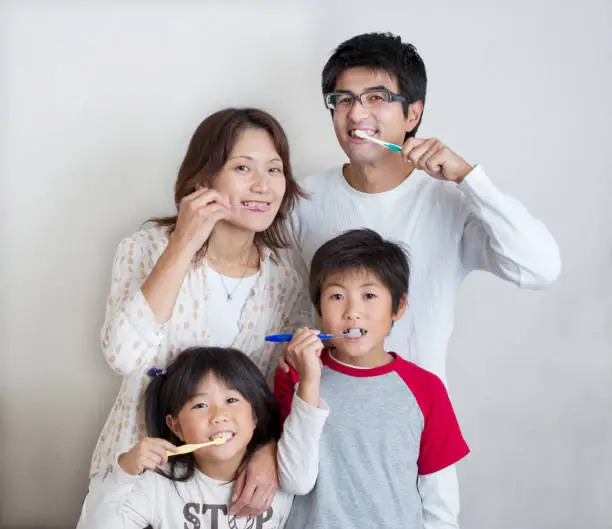
You brush your child’s teeth. You buy the kid toothpaste. You hope that is enough. It often is not. Small mistakes at home can grow into deep pain, high bills, and missed school days. Parents often feel guilt when a dentist points out decay. That guilt is heavy, but preventable. This blog shows five common mistakes you might make with home dental care. It also gives clear steps to fix them today. You will see how simple changes protect your child’s mouth, body, and confidence. A dentist in Sunnyvale sees the same patterns in families every week. You are not alone in this. You can break the cycle. You do not need special tools or a medical degree. You need clear facts, steady habits, and a plan you can keep on busy days. Your child depends on you. You can protect that small, growing smile.
Mistake 1: Letting Kids Brush Alone Too Soon
Many parents hand over the toothbrush and step away. That feels like independence. It often leads to plaque and early decay.
Young kids do not have strong hand control. They miss the gumline. They skip back teeth. They rush. Teeth look clean but still hold sticky film that causes cavities.
Here is a simple guide for how much help kids need:
| Age | Who Brushes | What You Do |
|---|---|---|
| 0 to 2 years | Adult | Wipe gums. Brush any teeth twice a day. |
| 3 to 6 years | Adult with child | Let the child try. Then you finish every time. |
| 7 to 8 years | Child with close check | Watch and correct. Rebrush spots the child misses. |
| 9+ years | Child | Check now and then. Look at gums and breath. |
First, stand behind your child. Gently move the brush for them. Next, let them try for one minute. Then you finish. Finally, keep this routine until your child can write in cursive or tie their shoes well. That skill level often matches good brushing control.
Mistake 2: Using Too Much or Too Little Fluoride
Fluoride protects teeth from decay. Too much or too little can harm your child’s smile.
The American Dental Association gives clear size rules.
- For kids under 3 years. Use a smear the size of a grain of rice.
- For kids 3 to 6 years. Use a pea-sized amount.
Many parents fill the whole brush. That can cause white spots on growing teeth if a child swallows the paste. Other parents avoid fluoride. That can raise the risk of painful cavities.
First, check the label. Make sure the paste says “fluoride toothpaste.” Next, measure the paste every time. Place it yourself until your child understands the right amount. Finally, teach your child to spit, not rinse with lots of water. A small bit of fluoride left on teeth keeps working.
Mistake 3: Letting Snacks and Drinks Linger All Day
Constant snacking and sipping hurt teeth more than an occasional treat. Each time your child eats or drinks anything with sugar or starch, acid attacks teeth for about 20 minutes. If snacks never stop, the attack never stops.
Common habits that harm teeth include:
- Carrying a sippy cup with juice or milk all day.
- Grazing on crackers or cereal between meals.
- Eating sticky fruit snacks that cling to teeth.
Here is a quick comparison.
| Habit | Effect on Teeth |
|---|---|
| Three meals and two set snacks | Short acid time. Easier to clean. |
| All day grazing | Long acid time. Higher cavity risk. |
| Water between meals | Helps rinse food. No added sugar. |
| Juice or soda between meals | Extra sugar and acid. Hard on enamel. |
First, limit juice to mealtimes. Next, give only water between meals. Finally, keep snacks to two set times each day and serve one small plate, not many refills.
Mistake 4: Skipping Night Brushing When Everyone Is Tired
Bedtime feels hard. You may skip brushing “just this once.” That choice seems small. It carries a high cost.
At night, saliva flow slows. Teeth lose a key layer of natural protection. Bacteria feed on food left behind and release acid. This acid stays on the teeth for hours while your child sleeps.
According to the Centers for Disease Control and Prevention, cavities are one of the most common chronic problems in children.
To protect your child at night:
- Set a fixed “brush time” that is 20 to 30 minutes before bed.
- Brush and floss before stories or screen time, not after.
- Make it a family habit so your child sees you brush too.
First, link brushing with another daily act, like putting on pajamas. Next, use a simple timer for two minutes. Finally, avoid food or drink after brushing, except for small sips of plain water.
Mistake 5: Waiting for Pain Before Seeing a Dentist
Many parents wait until a child cries from tooth pain. That delay often means deep decay, infection, and harder treatment.
Most cavities start small and silent. A quick visit can treat them early. Routine care also lets your dentist spot habits at home that need changing.
General guidance from dental experts:
- First visit by the first birthday or when the first tooth appears.
- Regular checkups every six months unless your dentist suggests a different schedule.
- Extra visits if you see white or brown spots, bleeding gums, or bad breath that does not clear.
First, schedule your child’s next checkup now, even if there is no problem. Next, bring a list of your questions about brushing, snacks, and fluoride. Finally, ask your dentist to show you any spots your child misses when brushing so you can focus on them at home.
Bringing It All Together At Home
You do not need perfection. You need steady effort in three key habits.
- Brush with fluoride twice a day for two minutes.
- Limit snacks and sweet drinks. Offer water often.
- See a dentist on a regular schedule, not only in crisis.
Small daily choices shape your child’s teeth, health, and comfort. With clear steps and firm routines, you can cut pain, fear, and cost. Your child feels safe. You feel in control. That is the power of strong home dental care.
EddieWhota says
I’ve been exploring https://terpenewarehouse.com/products/granddaddy-purple-terpenes recently, and I’m deep down enjoying the experience. The scents are rich, natural, and pleasant. They annex a nice be a match for to my always drill, helping set the mood and atmosphere. A large find to save anyone who appreciates savoury wellness tools.