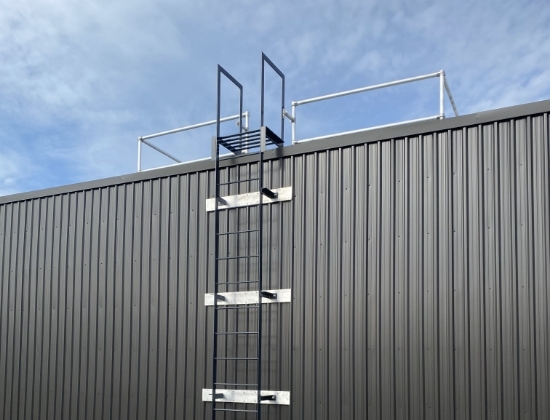
Industrial environments are built around efficiency, reliability, and safety. Every component within a facility is expected to perform consistently under pressure, including access systems that are often overlooked until they are needed. Whether reaching rooftops, elevated platforms, or maintenance areas, access equipment plays a crucial role in keeping operations moving smoothly. This is one reason fixed aluminum ladders have become such a widely used solution across industrial and commercial settings.
One of the main advantages of aluminum is its balance between strength and weight. Steel may be associated with durability, but aluminum offers impressive structural integrity while remaining significantly lighter. This makes installation easier and reduces the strain placed on supporting structures. In environments where access systems may span multiple levels or require rooftop mounting, that reduction in weight can make a noticeable difference.
Corrosion resistance is another major benefit. Industrial facilities are not always climate-controlled, and many ladders are exposed to moisture, chemicals, or changing weather conditions. Unlike materials that may rust or deteriorate over time, aluminum naturally resists corrosion, helping maintain both appearance and structural reliability with less maintenance.
This makes aluminum particularly suitable for:
- Outdoor access systems exposed to rain and temperature changes
- Coastal or humid environments where corrosion is a concern
The long-term maintenance aspect is often underestimated. Facilities already manage a wide range of inspections, repairs, and operational demands. Choosing equipment that requires less ongoing attention helps reduce both downtime and maintenance costs. Fixed ladder systems made from aluminum generally need less surface treatment and fewer repairs compared to heavier materials that may degrade more quickly in demanding conditions.
Safety is also a key factor behind their popularity. Fixed ladder systems are designed to provide stable, permanent access rather than temporary solutions that need to be repositioned or assembled. This consistency improves reliability and reduces the risks associated with makeshift access methods.
Modern systems may also include additional features such as:
- Safety cages for higher installations
- Slip-resistant rungs for improved footing
- Integrated rest platforms for extended climbs
Another advantage is adaptability. Industrial sites vary significantly in layout, height requirements, and available space. Fixed ladder systems can often be customised to fit these conditions without requiring major structural adjustments. Whether mounted internally or externally, they provide a practical solution for facilities where access points need to remain permanently available.
The appearance of aluminum can also contribute to a cleaner, more professional look. While aesthetics may not be the first priority in industrial settings, well-maintained access systems help reinforce the overall impression of organisation and safety within a facility.
There is also a broader operational benefit to permanent access systems. Maintenance tasks become easier to carry out when access is always available. Instead of delaying inspections or relying on temporary equipment, staff can reach critical areas quickly and safely. This improves efficiency and encourages more consistent maintenance routines.
In many facilities, access systems are not used constantly, but when they are needed, reliability becomes essential. A fixed ladder is expected to function immediately, without additional setup or adjustment. Aluminum’s durability and low-maintenance characteristics support this kind of dependable performance over time.
Ultimately, the practicality of fixed aluminum ladders comes from how well they align with industrial priorities. They are strong without being unnecessarily heavy, durable without requiring excessive upkeep, and adaptable enough to work across a wide range of environments.
Rather than acting as a temporary solution, they become part of the infrastructure itself—quietly supporting safe and efficient access every day.