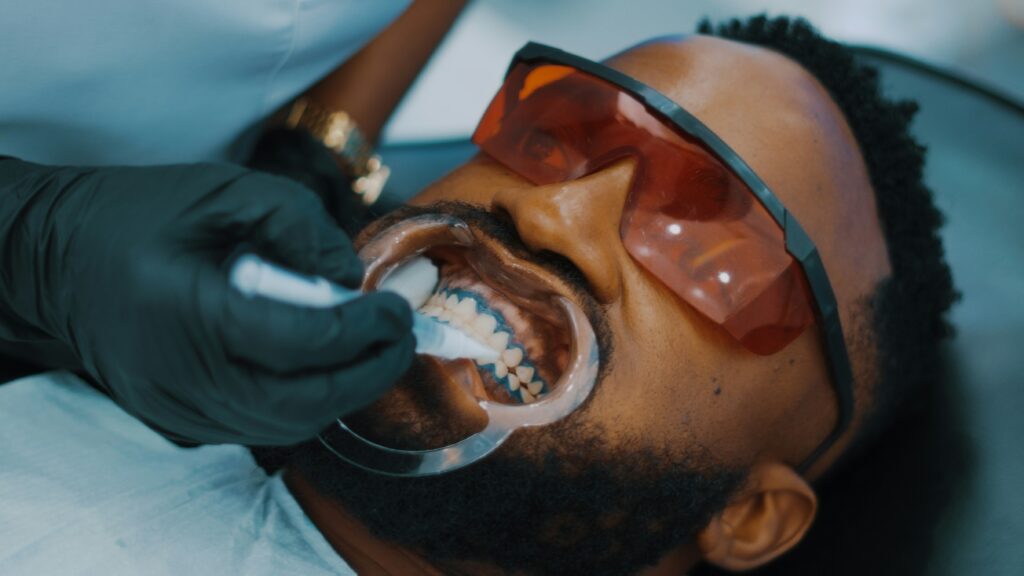
Digital tools now shape almost every part of your dental visit. You notice it the moment you sit in the chair. Screens replace guesswork. Images replace vague descriptions. You see what your dentist sees. That clarity gives you control and cuts fear.
Today, a dentist in Gresham, OR can repair teeth with more accuracy, less drilling, and fewer visits. New scanners capture your mouth in seconds. Smart software plans crowns and fillings that fit the first time. 3D printers create strong restorations while you wait.
At the same time, better records and digital checks protect your health. They help your dentist spot small problems before they grow. They also help you understand each choice.
This blog explains five key digital changes in restorative general dentistry. You will see how each one reduces pain, saves time, and supports long term oral health.
1. Digital X‑rays that use less radiation
Digital X‑rays replace old film. The sensor sends images to a computer in seconds. You see those images on a screen right away. This speed matters when you are in pain and need a clear answer.
Digital X‑rays use far less radiation than film X‑rays. The U.S. Food and Drug Administration explains that modern dental X‑ray systems keep exposure low while still giving clear images. That means safer care for children, pregnant people, and anyone who needs repeated images.
These images also show more detail. Your dentist can zoom in, change contrast, and measure exact distances. Tiny cracks or hidden decay show up sooner. Early repair costs less and hurts less.
2. Intraoral scanners that replace messy impressions
Old impressions used trays and thick putty. Many patients gagged. Some had to repeat the process when the mold failed. Digital intraoral scanners remove that struggle.
The scanner is a small camera that moves around your teeth. It captures thousands of images and builds a 3D model of your mouth. You breathe and swallow as normal. Children and people with strong gag reflexes handle this process with less stress.
The 3D model guides crowns, bridges, and aligners. It removes many human errors. Fit improves. The need for repeat visits drops. You spend less time in the chair and more time back in your life.
3. CAD/CAM design and same‑day crowns
Computer-aided design and computer-aided milling help your dentist shape precise restorations. First, the digital scan appears on the screen. Next, the software designs a crown or onlay that matches your bite and nearby teeth.
Then a milling unit cuts the restoration from a solid block. Many offices finish this in one visit. You leave with a permanent crown instead of a temporary one.
Traditional crowns compared to digital same‑day crowns
| Feature | Traditional process | Digital same‑day process
|
|---|---|---|
| Number of visits | Two or more | One |
| Impressions | Putty trays | Intraoral scanner |
| Time in temporary crown | One to three weeks | None |
| Fit adjustments | More common | Less common |
| Patient comfort | More visits and shots | Shorter single visit |
This approach supports strong repair. It also helps reduce the risk of new decay under a loose temporary crown. Every step stays in one place under one team.
4. 3D printing for precise models and guides
3D printers now support many restorative treatments. Your dentist can print models of your teeth for complex cases. These models help plan crowns, bridges, and implant restorations with careful detail.
For implants, 3D printed guides help place the post in the right spot and angle. This protects nearby teeth and nerves. It also supports better long-term strength for the final tooth.
In some offices, printers create custom trays, night guards, or temporary crowns. That shortens wait times and improves comfort. Children who grind their teeth or wear sports guards benefit from this custom fit.
5. Digital records and safer treatment planning
Electronic dental records keep your history in one secure place. Your medical history, allergies, medicines, and past X‑rays connect. This helps your dentist plan care that respects your whole body, not just your teeth.
The Centers for Disease Control and Prevention notes strong links between oral health and general health. Digital records support those links. They help your dentist track changes over time and share information with your doctor when needed.
Digital systems can also flag drug interactions or health risks. For example, they can warn about bleeding risks before oral surgery. This early warning can prevent serious harm.
What these changes mean for you and your family
These five tools share three clear results. You face less pain. You spend less time in the chair. You gain more control over your choices.
Children often feel calmer when they can see their teeth on a screen. Parents can ask direct questions and see clear answers. Older adults who take many medicines gain extra safety from digital checks.
When you schedule restorative care, you can ask three simple questions. Do you use digital X‑rays? Do you use scanners instead of putty impressions? Can you design or make restorations in the office? The answers will show how much digital support stands behind your treatment.
Restorative general dentistry keeps moving forward. Digital tools will keep changing. Your right to clear, safe, and respectful care will not.