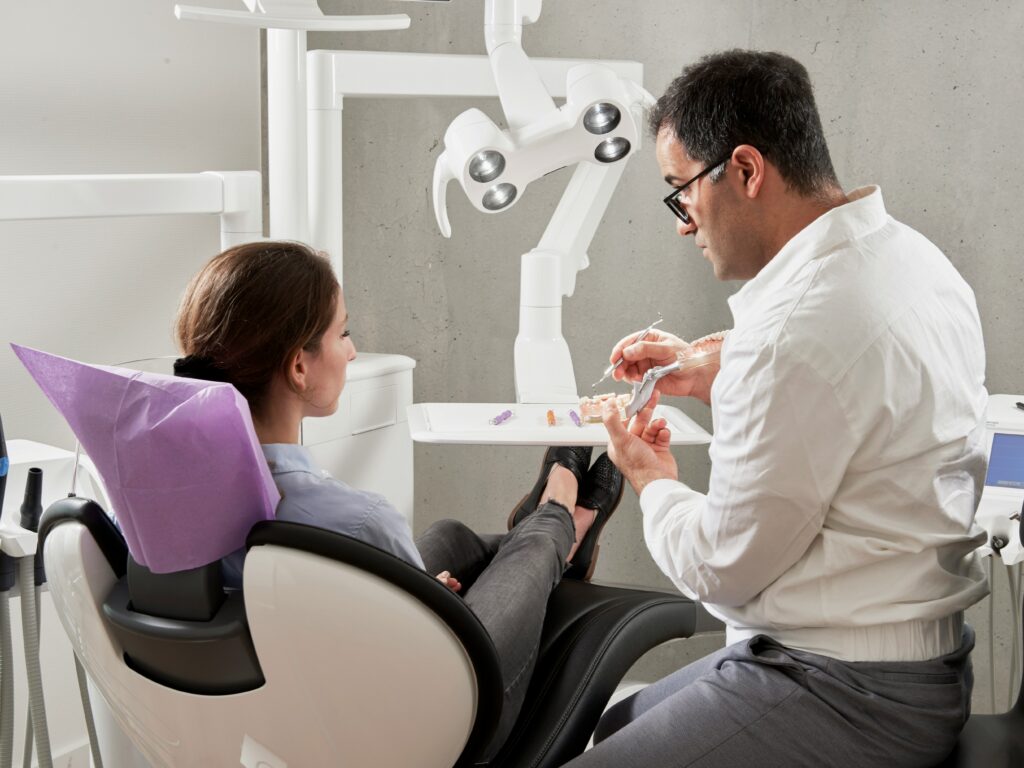
A sudden tooth problem can stop your whole day. You might feel fear, pain, and confusion all at once. You wonder if you need urgent care or if you can wait. That choice can affect your health, your wallet, and your peace of mind. This guide helps you tell the difference between a true dental emergency and a problem that can wait for a regular visit. You learn when to call 911, when to see a dentist the same day, and when home care is enough. You also see clear signs that you should call a dentist in Hanover Park, IL right away. Tooth pain, broken teeth, bleeding, or swelling each sends a different message. You deserve clear answers before panic takes over.
First question to ask yourself
When something happens to your mouth, ask three quick questions.
- Are you bleeding, and the bleeding will not stop
- Are you in severe pain that keeps you from eating, drinking, or sleeping
- Do you see swelling in your face or neck
If you answer yes to any of these, treat it as urgent. Your body is warning you. You do not need to guess or feel shame. You need a plan.
True dental emergencies that need fast care
Some problems need care right away. Waiting can cause infection, tooth loss, or trouble breathing.
- Knocked out tooth
- Tooth pushed out of place
- Broken tooth with sharp edges or exposed inner layer
- Strong toothache that does not ease with pain medicine
- Swelling in the face, jaw, or gums
- Sign of infection such as fever, foul taste, or pus
- Uncontrolled bleeding in the mouth
- Injury to the tongue, cheek, lips, or jawbone
The American Dental Association explains that pain, swelling, and infection are warning signs that need urgent care.
When to call 911 instead of the dentist
Some mouth injuries become life-threatening. You should call 911 or go to the nearest emergency room if you notice any of these signs.
- Swelling that makes it hard to breathe or swallow
- Bleeding that does not stop with firm pressure
- Broken jaw or you cannot close your mouth
- Loss of consciousness after a blow to the face
- Severe facial trauma from a fall, crash, or hit
In those moments, the hospital comes first. The dentist can help after doctors protect your breathing and stop bleeding.
Problems that feel urgent but can usually wait
Other mouth problems feel scary, but often do not need the same-day care.
- Small chip on a tooth without pain
- Lost filling or crown without severe pain
- Mild tooth sensitivity to cold or sweet food
- Small sore on the cheek, lips, or tongue
- Minor gum bleeding when brushing
You still need a visit. You just may not need to go in at night or on a weekend. Call the office. Explain your symptoms. Ask for the next open time. Until then, you can use salt water rinses and store any lost filling or crown in a clean container.
Quick comparison guide
| Situation | Emergency level | What you should do
|
|---|---|---|
| Knocked out adult tooth | True emergency | Rinse tooth gently. Place back in the socket or in milk. Call a dentist right away. |
| Strong toothache with swelling | True emergency | Call the dentist for same-day care. Use cold packs on the cheek. |
| Swelling with trouble breathing | Medical emergency | Call 911 or go to the emergency room at once. |
| Broken tooth with no pain | Urgent but can wait | Call for the next open visit. Avoid chewing on that side. |
| Lost filling or crown | Urgent but can wait | Keep the piece. Call the office. Use clove oil on cotton if mild pain starts. |
| Mild gum bleeding when brushing | Non urgent | Use a soft brush. Floss daily. Schedule a checkup and cleaning. |
| Small mouth sore | Non urgent | Rinse with warm salt water. Call if it does not heal in two weeks. |
How to handle a knocked-out tooth
A knocked-out tooth feels shocking. You can still save it if you act fast.
- Pick up the tooth by the crown. Do not touch the root.
- Rinse it with clean water. Do not scrub.
- If you can, place it back in the socket. Bite gently on a clean cloth.
- If you cannot, place it in milk or on the side of your cheek.
- Call a dentist and explain that the tooth is out.
Time matters. Teeth have better survival if you get care within one hour.
What toothache pain is trying to tell you
Tooth pain is not random. It is your warning system.
- Sharp pain with cold may mean early decay.
- Throbbing pain that wakes you at night may mean infection.
- Pain when you bite may mean a crack or a deep cavity.
Do not place aspirin on the tooth or gums. That can burn the tissue. Use over-the-counter pain medicine as directed on the label. Then call for an exam. The National Institute of Dental and Craniofacial Research explains common causes of tooth pain and mouth problems.
Helping children with dental emergencies
Children may not have the words for mouth pain. You may see clues instead.
- Refusal to eat or drink
- Crying when chewing
- Swelling in the cheek or under the jaw
- Drooling that is new
If a baby tooth gets knocked out, do not put it back in. That can harm the adult tooth under the gum. Call the dentist and bring the tooth with you. If your child hits their head or loses consciousness, go to the emergency room first.
Simple steps to avoid many emergencies
You cannot prevent every accident. You can still cut your risk.
- Wear a mouthguard for sports.
- Do not use teeth to open bottles or cut tape.
- Limit sugary drinks and snacks.
- Brush twice a day with fluoride toothpaste.
- Floss once a day.
- See a dentist for regular checkups and cleanings.
Small daily actions protect you from many urgent visits. They also protect your family from long nights in pain.
How to decide before you panic
When something happens, pause and walk through three steps.
- Check your breathing and bleeding. If there is trouble, call 911.
- Rate your pain and check for swelling. If strong or sudden, call your dentist right away.
- If pain is mild and there is no swelling, call for the next open visit and use home care.
You do not need to suffer in silence. You also do not need to rush to the hospital for every chipped tooth. Clear steps help you protect your health, your money, and your calm.