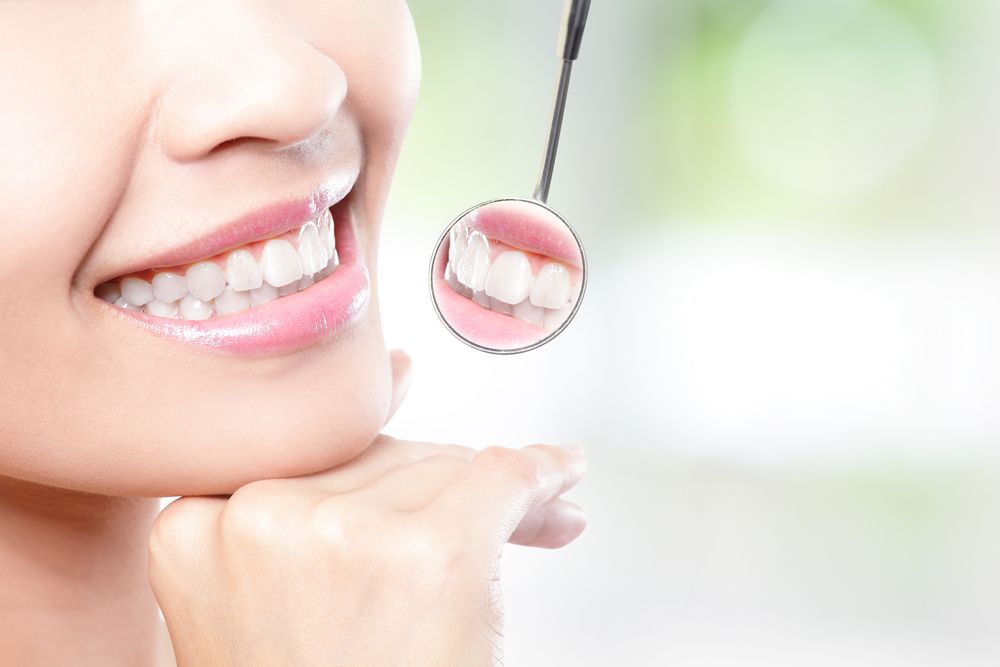
You might feel nervous about changing your smile. You might worry about drills, pain, or long visits. You are not alone. Many people want a simple way to fix chips, stains, or gaps. They want a change without heavy grinding or long recovery. This is where modern cosmetic dentistry helps. Some treatments protect most of your natural teeth. They use small changes to create a strong effect. A dentist in Riverdale Bronx can guide you through options that need little or no reshaping. You can ask clear questions. You can see examples. You can understand every step before you start. This blog explains three options that keep preparation low. It shows what each one does, how it feels, and who it helps. You deserve a smile that feels honest and comfortable. You also deserve a process that feels simple and calm.
1. Tooth bonding for small chips, gaps, and stains
Tooth bonding uses tooth colored resin that your dentist shapes on the tooth. The material blends with your natural color. The surface often needs only light roughening. In many cases, you do not need shots. You also keep almost all of your natural enamel.
Bonding can help if you have
- Small chips on front teeth
- Short teeth that need length
- Minor gaps between teeth
- Stains that do not respond to whitening
The visit is usually short. The dentist cleans the tooth. Next, the dentist places the resin. Then the dentist shapes and hardens it with a curing light. Finally, the dentist polishes the surface so it feels smooth.
Bonding works best for limited repairs. It can stain over time. It can also chip if you bite hard objects. Yet it costs less than many other cosmetic options and protects your natural tooth.
2. Minimal prep veneers for shape and color changes
Minimal prep veneers use thin shells that cover the front of your teeth. Traditional veneers often need more grinding of enamel. Minimal prep versions need very little shaping. Some cases need none. This can ease fear about losing healthy tooth structure.
These veneers can help if you have
- Teeth that look worn
- Uneven edges
- Spaces between teeth
- Deeper stains
The process usually follows three steps. First, the dentist reviews your bite and gum health. Then the dentist gently smooths the front of the tooth if needed. Last the dentist bonds the thin veneer to the surface.
Minimal prep veneers often feel smooth right away. They can last many years with daily brushing, flossing, and regular checkups. You still need clean gums. You also need a stable bite. If you grind at night, you may need a guard.
3. Professional whitening for a quick color boost
Professional whitening changes color without reshaping teeth. The dentist applies a whitening gel. In some systems, the dentist uses a light to speed the reaction. The enamel stays intact. You only change stain molecules inside the tooth.
Whitening works best for stains from coffee, tea, tobacco, and age. It does not help with fillings or crowns. It also does not fix shape or position. Yet for many people, it creates a great change with very little preparation.
You can choose
- In office whitening with faster results
- Take-home trays made from custom molds
- A mix of both for control and comfort
The American Dental Association’s MouthHealthy guide on whitening explains how whitening works and how to use products safely at home.
Comparison of low preparation options
| Treatment | Main goal | Tooth reshaping needed | Typical visit time | Durability | Good for
|
|---|---|---|---|---|---|
| Tooth bonding | Fix small chips, gaps, stains | Minimal on surface | One short visit for most teeth | Several years with care | Single teeth or small changes |
| Minimal prep veneers | Change shape and color | Very light smoothing or none | Two to three visits | Many years with strong habits | Multiple front teeth |
| Professional whitening | Lighten tooth color | None | One visit or short home use | Months to years with touch ups | Stained teeth with good shape |
How to choose the right option for you
First, think about what bothers you most. You might care more about color. You might worry about a chip that catches your eye in photos. You might feel uneasy about a gap that draws comments. Naming the top three concerns helps your dentist plan.
Next, review your daily habits.
- If you drink coffee or tea all day, you may need repeat whitening.
- If you grind your teeth, bonding may chip. You may need a guard.
- If you avoid flossing, your gums may not support veneers yet.
Then ask your dentist three clear questions.
How much natural tooth will you remove
- How long should this option last with normal care
- What will this look like if it chips or stains later
These answers give you control. They also show if you feel safe with the plan.
Protecting your new smile with simple habits
Any cosmetic change needs basic care. You can protect your teeth and gums when you
- Brush twice each day with fluoride toothpaste
- Floss once each day to clean between teeth
- See your dentist at least every six months
- Wear a mouthguard for sports and night grinding
- Limit sugary snacks and drinks between meals
The Centers for Disease Control and Prevention share clear steps for daily oral health at home. You can review these at the CDC oral health page at https://www.cdc.gov/oralhealth/fast-facts/index.html. This guidance supports any cosmetic work you choose.
Taking your next step
You do not need to accept a smile that makes you feel small. You also do not need to accept harsh treatment to change it. Tooth bonding, minimal prep veneers, and professional whitening offer three paths with light preparation. Each one protects your natural teeth as much as possible. Each one can fit into a normal family schedule.
Bring your questions to a trusted dentist. Bring your fears too. Honest talk, clear options, and gentle planning can turn a stressful idea into a calm choice.