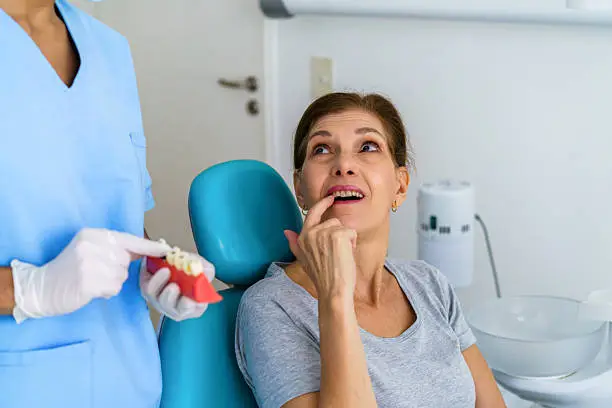
 Dental implants can fail when home care slips. You invest time, money, and courage to replace missing teeth. You deserve to protect that work. Proper brushing, flossing, and cleaning around your implants controls the sticky film of bacteria that causes gum infection and bone loss. Without that care, small problems turn into painful swelling, loose implants, and new gaps in your smile. Daily home care is not extra. It is part of the treatment. A dentist in Great Falls can clean and check your implants a few times each year. Yet you are the one who guards them every day. With the right tools, clear steps, and steady habits, you keep the tissue around your implants firm, clean, and stable. This blog shows how simple home care keeps your implants strong, your bite steady, and your smile secure for years.
How Dental Implants Heal And Stay Strong
Dental implants sit in your jaw and act like roots. Bone grows around the implant post. That bond holds your new tooth in place. Your gum then seals around the crown. That seal blocks germs and protects the bone.
Three things keep this bond strong.
- Clean tooth surfaces
- Healthy gums
- Steady bite forces
When plaque stays on your implant, germs irritate the gum. The gum pulls away. Then more germs reach the bone. Over time, the bone melts away. The implant loses support and can fail.
You stop this chain with daily care at home and routine checkups. The National Institute of Dental and Craniofacial Research explains that implants can last many years when you keep your mouth clean and see your dentist on a regular schedule.
What Happens When Home Care Slips
When brushing and flossing fade, you may not feel pain at first. The damage grows in silence. Then trouble shows up fast.
- Red, swollen, or bleeding gums around the implant
- Bad breath that does not go away after brushing
- Soreness when you bite on that tooth
- Spaces between the gum and the implant crown
- Loose implant or movement you can feel
Gum irritation around an implant is called peri-implant mucositis. Bone loss around an implant is called peri-implantitis. These problems are harder to treat than gum disease around natural teeth. Often, you need deep cleaning and more visits. Sometimes you need surgery or implant removal.
You can avoid that spiral. A few minutes of home care each day is less strain than repair or loss.
Daily Home Care Checklist For Implants
You care for dental implants much like natural teeth. You add a few simple steps for the areas around the posts and under the crowns.
Use this daily checklist.
- Brush two times each day for two minutes
- Use a soft toothbrush and gentle pressure
- Angle the bristles toward the gumline around the implant
- Clean all sides of the implant crown
- Floss once each day around every implant
- Use floss threaders or special implant floss to reach under bridges
- Use an interdental brush that fits the spaces between implants and nearby teeth
- Rinse with an alcohol free mouthwash if your dentist suggests it
The Centers for Disease Control and Prevention shows that proper brushing and flossing cut the risk of gum disease. That same care protects the bone and gum around implants.
Implant Care Tools Compared
You have many tools to clean around implants. Each works best for certain spots. This table compares common options so you can choose what fits your mouth and your routine.
| Tool | Main Use | Best For | Key Benefit
|
|---|---|---|---|
| Soft manual toothbrush | Daily plaque removal | Most people with single implants | Simple control near tender gums |
| Electric toothbrush | Enhanced plaque removal | People with limited hand skill | Consistent brushing motion |
| Floss with threader | Cleaning between teeth and implants | Single implants and tight spaces | Reaches under contact points |
| Super floss or implant floss | Cleaning under implant bridges | Multiple implants linked by a bridge | Cleans wide spaces and under the bridge |
| Interdental brush | Cleaning side spaces around implants | Larger gaps between teeth and implants | Scrubs plaque from hard-to-reach spots |
| Water flosser | Rinsing around implants and gums | Braces, bridges, or tender gums | Gentle stream to flush out food |
Habits That Put Implants At Risk
Daily cleaning is not the only factor. Certain habits strain implants and weaken bone. Three patterns cause heavy harm.
- Tobacco use in any form, which slows healing and reduces blood flow to the gums
- Uncontrolled diabetes, which raises infection risk and delays repair
- Teeth grinding, which puts strong force on the implant and crown
If you smoke or use nicotine, talk with your dentist and doctor about support to stop. If you have diabetes, work with your care team to keep your blood sugar in a safe range. If you grind your teeth, ask about a night guard to spread the force and protect your implants.
When To Call Your Dentist
Do not wait for severe pain. Call your dentist if you notice any change around an implant.
- Bleeding when brushing that lasts more than a week
- New spaces or dark lines at the gum edge
- Soreness when chewing on that side
- Bad taste or pus near the implant
- Any feeling that the implant crown is loose
Early care often means a simple cleaning and home care review. Late care can mean surgery or loss of the implant.
Routine Checkups Close The Loop
Home care and office visits work together. You clean every day. Your dentist checks the bone levels, gum health, and bite forces. X-rays help spot hidden bone loss. Professional cleaning removes hardened buildup that a brush and floss cannot reach.
Set visits at least two times each year or more often if your dentist suggests it. Treat those visits as part of the implant cost. That mindset helps you keep every appointment.
Your implants can stay strong for many years when you keep a simple home routine, avoid risky habits, and stay in touch with your dentist. You already took a brave step to replace missing teeth. Now protect that step with steady care each day.