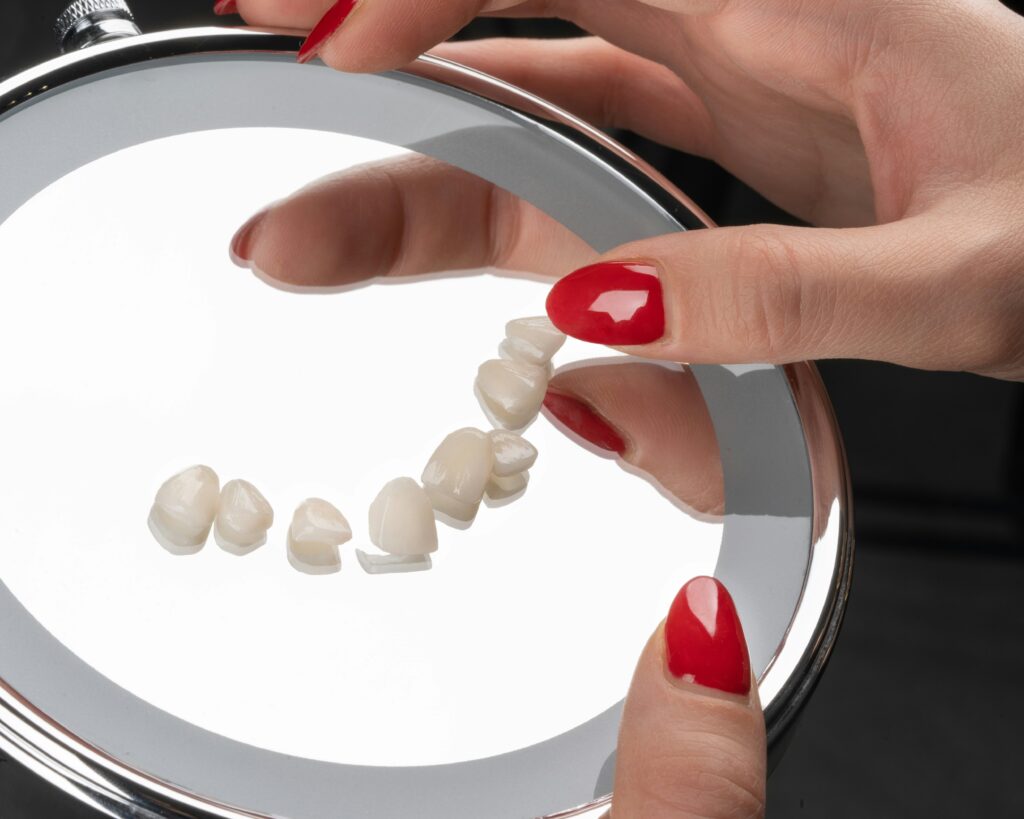
You might be feeling a mix of excitement and hesitation. You want a brighter, straighter, more confident smile, yet there is a quiet worry in the back of your mind. You may be wondering if your teeth are actually healthy enough for cosmetic work, or if chasing the “perfect smile” could cause problems later. A consultation with a Branchburg family dentist can help you understand your options and ensure your oral health comes first.
It often starts with something small. You notice yourself hiding your teeth in photos or pressing your lips together when you laugh. You start searching for veneers, whitening, or “smile makeovers.” At the same time, you might be dealing with sensitivity, old fillings, or bleeding gums and you are not sure how it all fits together.
Because of this tension, you might wonder if you are being “too vain,” or if you should ignore the cosmetic issues and just focus on health. The truth is, you do not have to choose one or the other. When it is done thoughtfully, general and cosmetic dentistry work together. A healthy foundation makes cosmetic changes safer, longer lasting, and much more comfortable.
In simple terms, the summary is this. General dentistry protects and restores the health of your teeth and gums. Cosmetic dentistry then builds on that healthy base to refine how your smile looks. If you skip the health step, cosmetic work can fail or even hurt you. If you honor both, your smile can look better and feel stronger at the same time.
Why does health matter so much before a cosmetic smile makeover?
Imagine repainting a house with a leaking roof and rotting wood under the siding. It might look nice for a little while, but the damage underneath will eventually show through. The same idea applies to your teeth. If you place veneers on teeth with decay, or whiten teeth with untreated gum disease, you are painting over a problem.
That is where general dentistry comes in. Think of it as the part of care that checks, cleans, repairs, and protects. It includes exams, X‑rays, cleanings, fillings, crowns, gum treatment, and education about home care. It is not as flashy as before and after photos, yet it quietly does the heavy lifting that keeps your mouth stable.
Without this foundation, cosmetic work often does not last. Veneers can chip because the bite is off. Whitening can feel painful because the enamel is thin. Bonding can fall off because decay was not fully removed. The emotional cost is real. You might feel embarrassed, frustrated about money spent, or worried you “ruined” your teeth.
So where does that leave you if you want a more beautiful smile, but you are not sure how healthy things are underneath?
Common problems that hide behind cosmetic concerns
It helps to look at a few “what if” scenarios that many people run into when they start considering an aesthetic dental transformation.
What if your main concern is color. You want whiter teeth for an upcoming event. If you have untreated cavities, aggressive whitening can irritate the inner part of the tooth and increase sensitivity. A general dentist would first check for decay, repair what is needed, then guide you toward a safe whitening plan.
What if you dislike the shape and alignment of your teeth. You might be tempted to skip straight to veneers or crowns. If your bite is uneven, or if you grind your teeth at night, veneers can crack or pop off. A general dentist can identify grinding, create a night guard, or even suggest limited orthodontic movement so any cosmetic work has a stable bite to rest on.
What if your gums bleed when you brush, yet you mostly focus on how your teeth look. Gum disease is quiet at first. You might only notice mild bleeding or bad breath. Ignoring it while chasing cosmetic changes is risky. In more advanced cases, gum disease can lead to bone loss, loose teeth, and even tooth loss. Treating gum inflammation first allows any cosmetic changes to sit in a healthy, stable frame.
These are not rare situations. Research gathered by the National Institute of Dental and Craniofacial Research shows how closely oral health is linked with overall health, quality of life, and even social confidence. You can explore that research in the report on oral health in America at this NIDCR overview.
Because of this, a thoughtful general dentistry and cosmetic dentistry plan does more than improve photos. It can support your comfort when you eat, reduce infection risk, and even lower some health risks connected with chronic inflammation in the mouth.
General vs cosmetic care for your smile: how do they really compare?
When you are trying to decide what to do first, it can help to see the differences and connections between health focused care and appearance focused care. They are not enemies. They are partners with different jobs.
| Focus Area | General Dentistry | Cosmetic Dentistry |
| Main goal | Prevent, diagnose, and treat disease or damage | Improve the look of teeth and gums |
| Typical treatments | Exams, cleanings, fillings, crowns, root canals, gum therapy | Whitening, bonding, veneers, cosmetic crowns, contouring |
| Time horizon | Protect long term health and comfort | Enhance appearance now, with good longevity when health is stable |
| Risks if done alone | Smile may stay healthy but still feel unattractive to you | Higher chance of sensitivity, failure, or repeat work if health issues are missed |
| Best case scenario | Strong, pain free teeth and healthy gums | Confident smile that looks natural and matches your personality |
| Ideal approach | Use general care to stabilize health, then layer cosmetic improvements on that healthy base | |
When you see it laid out, the pattern becomes clear. Health first. Beauty on top of health. That is how you avoid the cycle of constant repairs and disappointment.
If you are curious about the science behind oral health, gum disease, and long term outcomes, you can learn more from the National Institute of Dental and Craniofacial Research at their official site.
What can you do right now to move toward a healthier, more attractive smile?
You do not need to have everything figured out to take the next step. A few focused actions can give you clarity and control.
1. Get a thorough health focused dental evaluation
Start by telling your dentist clearly what you want. For example, “I want my teeth to look better, but I do not want to ignore my health.” Ask for a full exam that looks at cavities, old dental work, gum health, bite alignment, and signs of grinding.
Request that your dentist walk you through your mouth tooth by tooth. Ask which issues are urgent, which are important but not urgent, and which are optional or purely cosmetic. This simple conversation creates a roadmap so you do not feel lost or pushed into something you do not understand.
2. Prioritize treatment in a way that respects both your health and your budget
It is normal to worry about cost. You can be honest about that too. Once you know what is going on, ask your dentist to help you stage treatment. Many people start with the problems that could cause pain or infection. Then they address gum health. After that, they plan cosmetic steps like whitening or veneers.
Sometimes small cosmetic changes, such as smoothing a sharp edge or doing conservative bonding, can fit in while you are still working through necessary health treatment. A thoughtful dentist will help you balance feeling better about your smile now without ignoring what your teeth need for the long term.
3. Strengthen your daily habits so cosmetic work lasts
Even the best treatment cannot overcome poor daily habits. Focus on brushing twice a day with fluoride toothpaste, flossing once a day, and limiting frequent sugary or acidic snacks. If you grind your teeth, wear the night guard your dentist makes for you. If you smoke, know that quitting can dramatically improve gum health and the success of cosmetic work.
These choices might feel small, yet they are what protect any investment you make in your smile. They also give you a sense of control, which can ease a lot of the stress you may be feeling.
Bringing health and beauty together in your smile
Wanting a more attractive smile does not make you shallow. Your smile is part of how you meet the world, and it affects how you feel about yourself. At the same time, you deserve cosmetic changes that honor your health, your comfort, and your future.
When you view general dentistry for aesthetic improvements as a partnership instead of a choice, the path becomes clearer. First, understand and stabilize the health of your teeth and gums. Then, choose cosmetic options that fit that healthy foundation, your goals, and your budget.
You do not have to navigate this alone. Reach out to a trusted general and cosmetic dentist, share your concerns honestly, and ask for a plan that protects both your health and your confidence. Your best smile is the one that looks good, feels comfortable, and is cared for from the inside out.