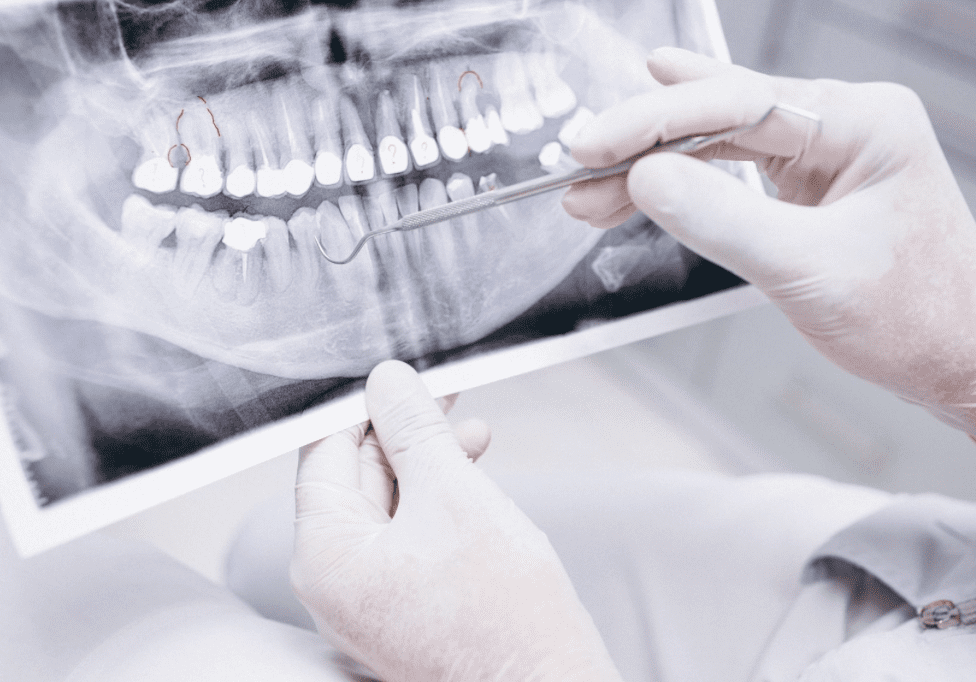
X-rays can feel scary. You cannot see them. You hear warnings about radiation. You may wonder if they are worth it. In general dental care, X-rays give answers that your eyes cannot see. They show decay between teeth. They reveal infection under fillings. They expose bone loss that signals gum disease. Without them, your dentist must guess. That guess can delay treatment. It can also cause more pain and higher costs later. A trusted dentist in Santa Rosa uses X-rays in a careful and targeted way. You receive them only when they help make a clear decision. You also receive protection, such as a lead apron and thyroid collar. You deserve to know why each image is taken, what it shows, and how it affects your care. This blog explains how X-rays support safe treatment and long-term oral health.
Why your dentist recommends X rays
You visit for a checkup. Your teeth look fine in the mirror. You feel no pain. Then your dentist suggests X-rays. You may feel worry or anger. You may think it is routine and pointless. It is not. X-rays answer three key questions.
- Is there hidden decay between teeth
- Is there infection near roots or old fillings
- Is the bone around your teeth stable
Tooth decay often starts between teeth. Gum tissue and neighboring teeth hide early damage. X-rays show these early spots. That lets your dentist treat a small cavity before it reaches the nerve.
Infection at the root tip sits inside the bone. You cannot see it. You may feel only mild pressure. An X-ray shows a dark pocket that signals infection. Early treatment prevents severe pain and swelling.
Bone loss from gum disease also hides. You might see pink gums and think all is fine. X-rays show how high or low the bone sits on each tooth. That picture guides cleanings and home care.
Common types of dental X rays
Your dentist does not use a single X-ray. You receive different images for different questions. Each type has a clear job.
- Bitewing X rays. You bite on a small tab. The image shows the crowns of upper and lower teeth. It also shows the bone height. This type finds decay between teeth and early bone changes.
- Periapical X rays. The image shows the whole tooth from crown to root tip. It also shows the nearby bone. This type finds infection, cysts, and root problems.
- Panoramic X rays. The machine moves around your head. The image shows the jaws, sinuses, and joints. This type helps with wisdom teeth, jaw pain, and growth checks in children.
- Occlusal X rays. The sensor sits on the biting surface. The image shows larger sections of the jaw. This type helps find extra teeth, impacted teeth, or foreign objects.
How often you may need X-rays
X-rays are not one size fits all. The schedule depends on your age, risk for cavities, and gum health. The American Dental Association and the Food and Drug Administration share joint advice on this topic.
Typical X-Ray Schedules For Different Patients
| Patient type | Cavity risk | Typical bitewing X rays | Other X rays |
|---|---|---|---|
| Child with baby teeth | Low | Every 12 to 24 months | Periapical or panoramic only for specific concerns |
| Child with many cavities | High | Every 6 to 12 months | Periapical as needed for pain or trauma |
| Teen or adult with few cavities | Low | Every 18 to 36 months | Panoramic every few years or for wisdom teeth checks |
| Adult with frequent cavities | High | Every 6 to 18 months | Periapical for root pain or before root canal or crown |
| Adult with gum disease | High for bone loss | As needed to monitor changes | Full mouth series every few years to track bone |
You can and should ask why a specific X-ray is needed. A clear reason might be new pain, a history of many cavities, or gum pockets. You deserve a direct answer.
Radiation risk and safety
Radiation frightens many people. That fear is normal. You may picture old medical stories or strong beams. Dental X-rays today use very low doses. Digital sensors reduce dose further.
The National Institute of Dental and Craniofacial Research explains that dental X-ray exposure is low.
Here are three safety truths.
- You receive X-rays only when needed for a clear question.
- You receive shielding like a lead apron and thyroid collar, except in rare special cases.
- Your dentist follows state and federal rules for machine checks and staff training.
Radiation risk never drops to zero. Still, the dose from modern dental X-rays stays low. The benefit is early detection of disease. That early insight can prevent infection, tooth loss, and emergency visits.
How X-rays protect children and older adults
Children and older adults need special care. Their teeth and bones change more quickly. X-rays help in three important ways.
- For children. X-rays track growth. They show if adult teeth line up. They reveal extra teeth or missing teeth. They help guide braces at the right time.
- For teens. X-rays show the position of wisdom teeth. They help decide if removal is smart before problems start.
- For older adults. X-rays find root decay near the gum line. They reveal bone loss around teeth or implants. They help plan dentures and other restorations.
A careful dentist adjusts settings for age and size. Children need much lower exposure. You can ask how the settings change for a child. Clear answers can ease fear.
Questions you can ask your dentist
You have the right to understand each X-ray. Direct questions can keep you informed and calm.
- What problem are you checking with this X-ray
- What happens if we wait and do not take it today
- How will the result change my treatment plan
- How often do I really need this type of image
- What steps do you take to limit my exposure
Honest answers build trust. They also help you weigh small risks today against large risks from hidden disease.
Key takeaways for your family
You want safe care. You also want to avoid sudden pain and cost. Thoughtful use of X-rays supports both goals. They find problems early. They guide treatment before damage grows. They protect children, adults, and older family members at every stage of life.
You can partner with your dentist. Ask clear questions. Expect clear reasons. With that approach, X-rays become a tool you understand, not a threat you fear.