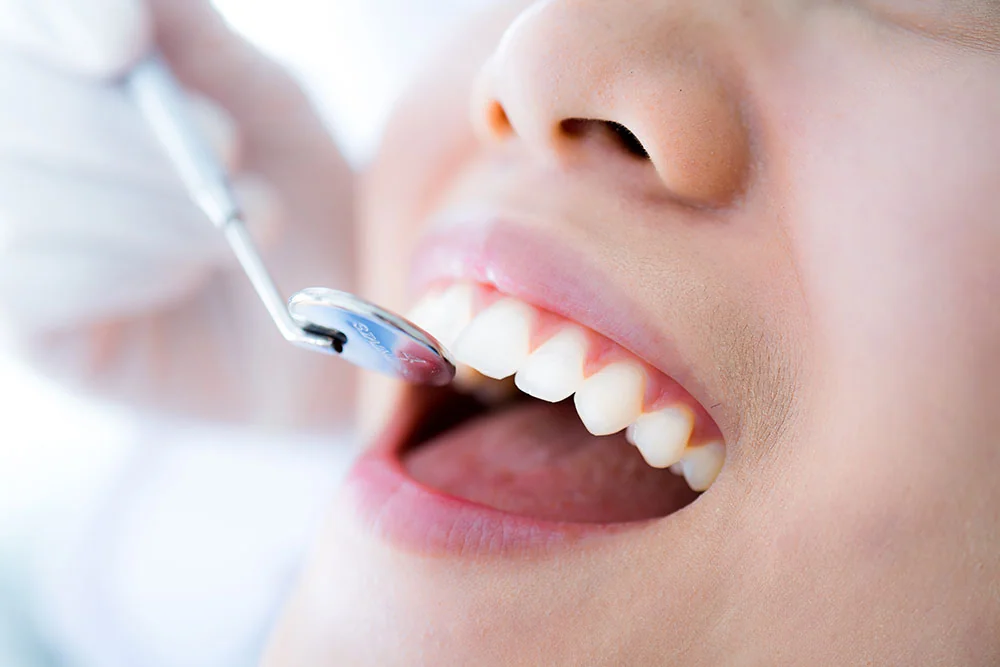
Preventive dental screenings protect your mouth before small problems turn into painful emergencies. New tools now give you and your Abilene dentist faster answers, clearer images, and fewer surprises. You spend less time guessing and more time knowing what is happening in your teeth and gums. Today’s technology can find tiny weak spots long before you feel pain. It can also show how well you clean your teeth at home. This means treatment can stay simple. It also means you keep more of your natural teeth for life. In this blog, you will see six breakthrough tools that change routine checkups. Each one helps your dentist spot risk early, explain it in plain language, and act before damage spreads. You deserve care that is sharp, honest, and kind. These tools help deliver that level of protection at every visit.
1. Digital X rays for lower radiation and clearer images
Digital X rays use sensors instead of film. You get a clear image in seconds. Your dentist can zoom in, adjust contrast, and spot tiny decay between teeth.
- Less radiation than old film X-rays
- Instant images on a screen
- Easier tracking of changes over time
The Centers for Disease Control and Prevention explains that dental X-rays use low doses of radiation. Digital systems reduce that dose even more. You still need a lead apron and thyroid collar. You also need X-rays only as often as your risk level demands.
Digital files are stored in your record. Next time you visit, your dentist can compare images side by side. Early decay, bone loss, and infections show up long before you feel pain.
2. Intraoral cameras that show you what your dentist sees
An intraoral camera is a small pen-shaped tool with a light and a camera at the tip. Your dentist moves it across your teeth and gums. The image shows on the screen right away.
- Shows cracks, worn fillings, and plaque
- Helps children and adults see problem spots
- Supports second opinions and home care plans
This tool changes the talk about your mouth. You do not just hear numbers and terms. You see color images of your own teeth. That picture gives you a clear reason to repair a chip or clean better along the gumline. Children often respond with stronger brushing once they see red, swollen gums on screen.
3. Laser cavity detection for tiny weak spots
Laser cavity detection uses a safe light to scan tooth surfaces. The device reads how the light reflects from enamel.
- Finds decay that is too small for X-rays
- Helps avoid guesswork in deep grooves
- Supports “watch and wait” when repair is not needed yet
The reading often comes as a number. Low numbers mean hard, healthy enamel. Higher numbers show soft spots. Your dentist can track these readings at each visit. Some weak spots stay stable with better cleaning and fluoride. Others grow and need small fillings before they turn into root canals.
4. 3D cone beam imaging for complex cases
3D cone beam computed tomography creates a three-dimensional view of your teeth, jaw, and sinuses. Dentists use it when a regular X ray is not enough.
- Helps find hidden infections
- Guides implant planning and surgical work
- Shows jaw joints and airway shape
The National Institute of Dental and Craniofacial Research notes that advanced imaging supports safer planning. A 3D view can reveal extra roots, curved canals, and bone defects. Your dentist can then choose the least risky path. This tool is not needed for every patient. It is most useful when pain is hard to locate or before complex treatment.
5. Saliva tests for cavity and gum disease risk
Saliva tests measure bacteria, acidity, and buffering power in your mouth. They give a quick snapshot of your risk for decay and gum disease.
- Simple swab or sample in the chair
- Results that guide personal care plans
- Helps track changes after treatment or diet shifts
Saliva tests can reveal high levels of acid-producing bacteria. They can also show low flow, which raises the risk for decay. Your dentist may adjust fluoride use, sealants, or recall visits based on these scores. Families can use this tool to spot which children need extra support with diet and brushing.
6. Fluorescence and transillumination tools without X-rays
Fluorescence devices shine a special light on teeth. Healthy enamel and decay glow with different colors or patterns. Transillumination tools shine light through the tooth. Dark shadows point to cracks or decay.
- Finds decay without radiation
- Helps check suspicious spots between teeth
- Useful for children and pregnant patients
These tools do not replace X-rays for every case. They work best as extra eyes. Your dentist can monitor early spots more often, without extra radiation. This supports careful watching when the tooth is not yet needed.
Comparison of common screening tools
| Tool | Main use | Radiation | Helps most with
|
|---|---|---|---|
| Digital X rays | Images of teeth and bone | Low | Decay, bone loss, infections |
| Intraoral camera | Color photos | None | Cracks, plaque, gum changes |
| Laser detection | Decay readings | None | Small cavities in grooves |
| 3D cone beam | 3D jaw and tooth view | Higher than X ray | Implants, complex root and jaw issues |
| Saliva tests | Risk scores | None | Cavity and gum disease risk |
| Fluorescence or transillumination | Light based decay check | None | Early decay and cracks |
How you can use these tools to protect your family
You do not need to know every detail of each device. You only need three steps.
- Ask which screening tools your dentist uses and why
- Share your medical history, medicines, and past dental problems
- Talk about your comfort level with X-rays and tests
Then focus on action. Use the results to shape daily habits. That means brushing two times each day, cleaning between teeth, and choosing water over sugary drinks. It also means keeping regular checkups even when nothing hurts.
Modern tools do not replace your choices at home. They guide them. When you combine sharp screening with steady home care, you cut the chance of sudden toothaches, infections, and costly treatment. You give your family a calmer, safer path to a strong mouth for life.