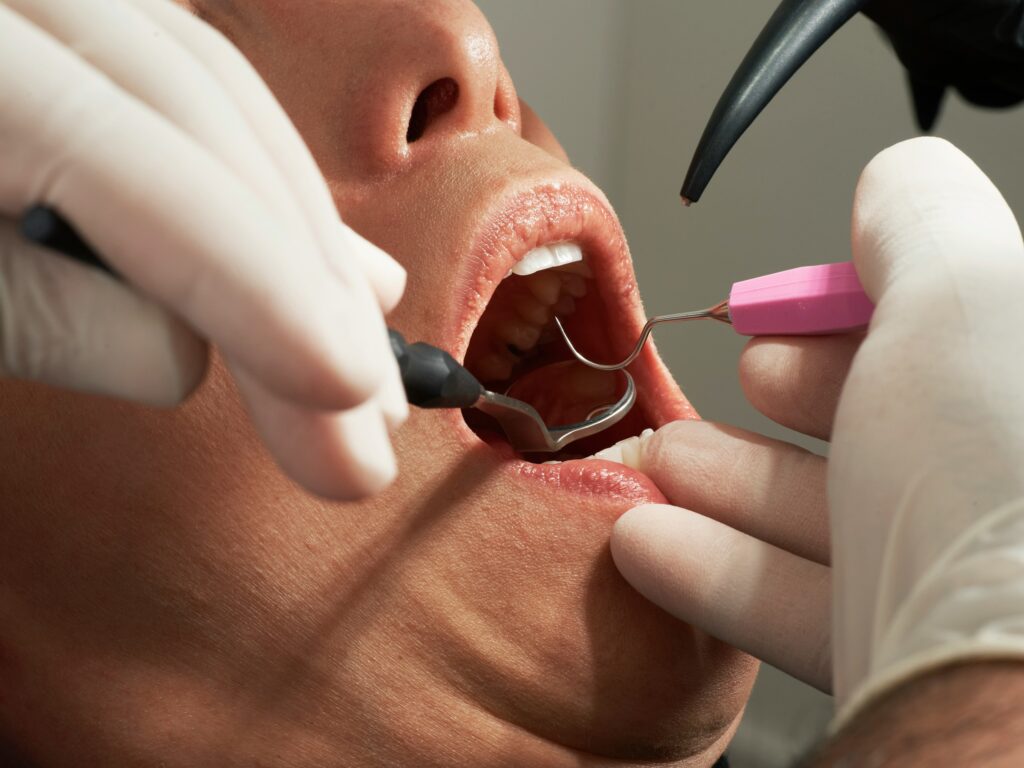
Your mouth often shows trouble long before you feel pain. Routine general dentistry turns those quiet warnings into early action. Regular visits give your dentist a clear picture of your teeth and gums. Then small problems stay small. A dentist in Lansing checks for decay, gum infection, worn teeth, and signs of grinding. You get simple treatment instead of urgent care. Early intervention protects your ability to chew, speak, and smile with confidence. It also cuts the risk of sudden dental bills that crush your budget. General dentistry does more than fix cavities. It tracks changes, teaches you what to watch for, and gives you a plan that fits your daily life. When you keep those routine visits, you choose control over crisis. You protect your health, your time, and your money with steady, early care.
Why early dental care matters for every age
Tooth and gum disease grow in stages. At first, damage stays on the surface. Then it reaches deeper layers. Early care stops this slow climb before it reaches nerves and bone.
Here is what can happen when you wait for pain:
- A small cavity spreads and needs a crown
- Mild gum swelling turns into bone loss
- A tiny crack becomes a broken tooth
Pain often shows up late. By the time you feel it, treatment needs more time, more visits, and more money. Early checks give you a head start. You stay ahead of silent damage that grows each day.
What happens during a routine general dentistry visit
General dentistry focuses on simple steps that protect your teeth. A routine visit usually includes three parts.
First, your dentist listens. You share any new spots that feel sharp, hot, cold, or sore. You talk about medicines, health changes, and habits like smoking or vaping.
Second, your dentist examines your mouth. This often includes:
- Checking each tooth for soft spots and cracks
- Measuring your gums for signs of infection
- Looking for dry mouth, sores, or white patches
- Reviewing how your teeth fit when you bite
Third, your dentist cleans your teeth. A hygienist removes plaque and hardened buildup that your brush and floss miss. Then you get tips for home care that match your daily routine and budget.
The National Institute of Dental and Craniofacial Research explains how tooth decay starts and why early treatment works.
How general dentistry catches problems early
Routine exams turn tiny warning signs into clear next steps. General dentistry helps with early intervention in three key ways.
First, it uses simple tools. X-rays show hidden decay between teeth. Gum charts track changes over time. Photos record wear from grinding.
Second, it sets a pattern. When you visit every six months, your dentist compares each exam to the last one. Small shifts stand out. A new stain, a deeper pocket, or a slight chip does not get missed.
Third, it builds trust. When you know what your dentist is watching, you speak up sooner. You call when you feel a small change instead of waiting for a crisis.
Early care vs waiting for pain
The table below shows common problems and how early visits change the outcome.
| Condition | If caught early | If treatment is delayed
|
|---|---|---|
| Small cavity | Simple filling. One quick visit | Root canal or extraction. More visits and higher cost |
| Gingivitis | Cleaning and better home care | Periodontitis with bone loss and loose teeth |
| Teeth grinding | Night guard and stress support | Broken teeth, jaw pain, and worn chewing surfaces |
| Cracked tooth | Bonding or crown before pain starts | Fracture into the root and tooth loss |
| White patch or sore | Early check for tissue change | Higher risk of advanced oral cancer |
This pattern stays the same. Early care protects structure. Late care tries to repair the loss.
How general dentistry supports children and teens
Children grow fast. Their mouths change just as fast. General dentistry keeps pace with that growth.
Routine visits for children often include:
- Fluoride treatments that harden tooth enamel
- Sealants that cover deep grooves in molars
- Checks for thumb sucking or tongue habits
- Early review of bite and jaw growth
These simple steps cut decay in new teeth. They also guide jaw growth, so braces, if needed, can be shorter and simpler.
The Centers for Disease Control and Prevention shows that sealants reduce cavities in school-age children.
How to use routine visits to prevent crisis care
You can turn each visit into a strong plan. Use these three steps.
First, ask for a clear summary. Before you leave, ask your dentist to list your top three risks. For example, dry mouth, gum swelling, or wear from grinding.
Second, request a simple home plan. Ask what you should do each morning, each night, and once a week. Keep it short so you can stick with it.
Third, schedule your next visit before you walk out. Put it on your calendar and set a reminder. Treat that time as you would any other health visit.
Building a long-term partnership with your dentist
Early intervention works best when your dentist knows your story. A long-term relationship gives your care team a clear record of your mouth over many years.
You can support that partnership when you:
- Share your full health history and medicine list
- Speak up about fear or past bad experiences
- Bring questions in writing so you remember them
Each routine visit then feels less like a quick check and more like a steady plan. You and your dentist watch for change together. Small shifts do not slip by. Crisis visits become rare. Your mouth stays stronger. Your body stays safer. Your daily life stays calmer.