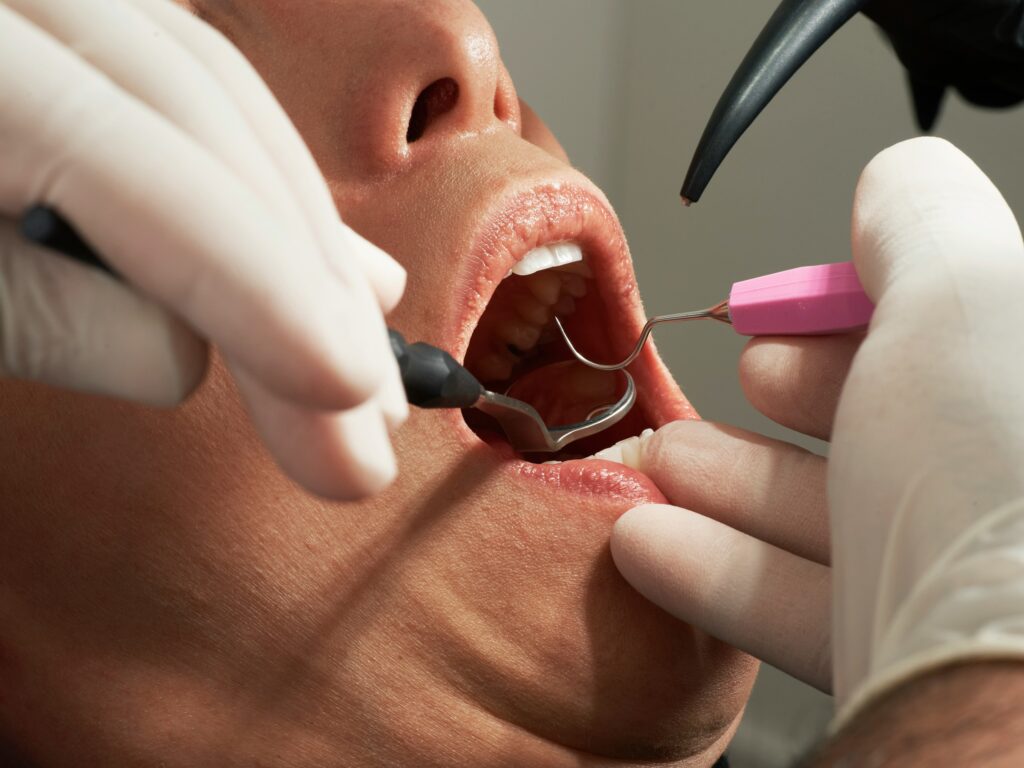
Healthy teeth protect your whole body. Preventive dentistry helps you avoid pain, infection, and expensive treatment. Fluoride and sealants give your teeth strong protection. Fluoride rebuilds weak spots in your enamel. Sealants cover the deep grooves in your back teeth where food and germs hide. Together, they lower your risk of cavities, root canals, and tooth loss. They also help you keep eating, speaking, and smiling with confidence. You may feel unsure about these treatments or worry about cost. A trusted dentist on Harbourfront Toronto can explain each step, answer hard questions, and help you choose what fits your needs. This blog will show six clear benefits of fluoride and sealants so you can make informed choices. You will see how small steps today can prevent serious problems later. You deserve a mouth that feels calm, clean, and strong.
1. Fluoride makes weak teeth stronger
Every day, acids from food and drink wear away enamel. Then minerals leave your teeth. This slow loss can lead to soft spots and cavities. Fluoride pulls helpful minerals like calcium back into the enamel. It also forms a harder surface that resists acid.
You can get fluoride from three main sources.
- Tap water in many cities
- Toothpaste and mouth rinses
- Fluoride treatments at the dental office
The Centers for Disease Control and Prevention explains how community water fluoridation cuts tooth decay in children and adults.
2. Sealants block food and germs in back teeth
Back teeth have deep pits and grooves. These spots trap sticky food and are hard to clean with a brush. Sealants fill those grooves with a thin coating. The coating cures hard under a special light. Then food and germs cannot reach the enamel surface.
Sealants are common for children when first and second molars come in. They also help teens and many adults who have deep grooves or early signs of decay. The process is simple.
- The tooth is cleaned and dried
- A gentle gel prepares the surface
- The sealant liquid is painted on
- A curing light hardens the coating
The National Institute of Dental and Craniofacial Research shares clear facts about sealants and decay in children.
3. Both lower cavity risk for children and adults
Fluoride and sealants work best together. Fluoride protects all tooth surfaces. Sealants focus on the chewing surfaces of molars. When you use both, you cut risk in three ways.
- You slow or stop early, decay before it becomes a hole
- You protect new molars in children during the most risky years
- You support older teeth that already show wear
Research shows that children with sealants on permanent molars get far fewer cavities than those without. Adults with regular fluoride exposure also lose fewer teeth. You save natural teeth and avoid long treatment plans.
4. You save money and time on dental care
Cavities cost money and time. One small filling can lead to more work later if decay returns or the tooth cracks. Fluoride and sealants cost less than fillings, crowns, or root canals.
Here is a simple comparison of typical outcomes.
| Treatment | Main purpose | Average visits needed | Likely long term result
|
|---|---|---|---|
| Fluoride treatment | Strengthen enamel and stop early decay | 1 short visit every 3 to 12 months | Fewer new cavities and fewer fillings |
| Dental sealant | Block food and germs in grooves of molars | 1 visit for several teeth | Lower risk of decay on chewing surfaces |
| Filling | Repair a cavity after it forms | 1 visit per tooth | Tooth may need repair again in the future |
| Root canal and crown | Save a tooth after deep infection | Multiple longer visits | Much higher cost and more follow-up care |
When you choose prevention, you often avoid the need for complex work. You also miss fewer days of school or work and limit stress for your family.
5. Treatment is quick, gentle, and safe
Many people feel nervous about dental visits. Fluoride and sealant visits are usually calm and short. There is no drilling. There is no numbing. You sit in the chair while the team cleans and dries your teeth. Then they place the fluoride or sealant. You may taste the product, yet most people tolerate it well.
Fluoride use by mouth and in water has been studied for many decades. Sealants have been used for many years in schools and clinics. Levels used in care are within safety limits set by health agencies. If you have health concerns, you can share them with the dental team so they can adjust your care plan.
6. You protect your whole family at every age
Fluoride and sealants help at each stage of life.
- Young children learn brushing skills while fluoride and sealants reduce early damage
- Teens face sugar, sports drinks, and stress. These tools protect teeth during those demanding years
- Adults manage work, family, and medical conditions. Strong teeth support eating and clear speech
- Older adults may take medicines that dry the mouth. Fluoride helps protect exposed roots and worn enamel
When every member of the family has a prevention plan, you share fewer dental emergencies. You also model steady self-care for children who watch every choice.
How to talk with your dental team
You do not need special words to ask about fluoride and sealants. You can keep it simple.
- Ask if your tap water has fluoride
- Ask if you or your child are good candidates for sealants
- Ask how often you need fluoride treatments based on your risk
You can also bring a list of medicines and health issues. That helps the team match the plan to your needs. If you feel worried about cost, you can ask for a clear estimate before any work begins. Many offices offer payment plans or can space care across visits.
Taking the next step
Tooth decay is common, yet it is also preventable. Fluoride and sealants give you control. They help you keep your own teeth longer and lower pain, cost, and fear. When you act early, you protect your health and your peace of mind. You can schedule a checkup, ask direct questions, and choose the level of protection that fits your life.