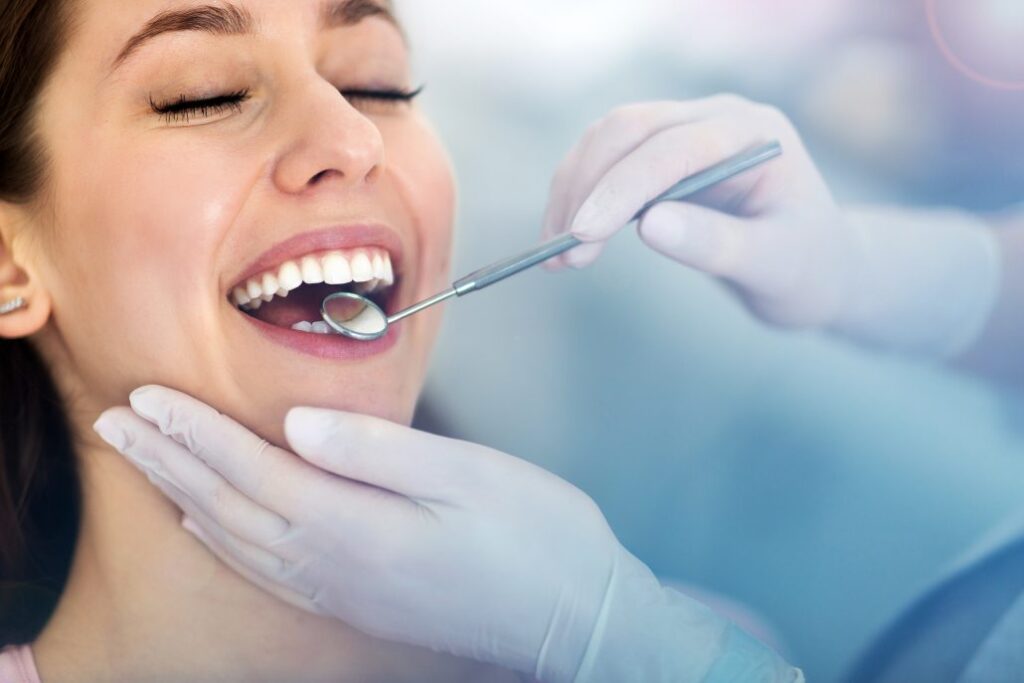
New tools are changing how you receive dental care right now. You see it in quicker visits, clearer answers, and less fear in the chair. Today, six key technologies stand out. They change how your dentist finds problems, plans treatment, and protects your teeth. They also shape how you feel before, during, and after each visit. You might notice a small camera in your mouth. You might see a 3D picture of your teeth on a screen. You might even get a crown in a single visit. Each tool serves one purpose. It helps you keep your natural teeth longer. It also helps your dentist explain what is happening in your mouth in plain language. Whether you see a dentist in South Ogden or in a small rural clinic, these same tools are starting to guide your care and your long-term oral health.
1. Digital X‑rays for faster, lower‑radiation images
Traditional X‑rays use film. They need time to develop. They also use more radiation. Digital X‑rays use a sensor that sends the image straight to a computer. The image shows on a screen for seconds.
This helps you in three clear ways.
- Less radiation exposure
- Faster visits
- Sharper images that your dentist can enlarge and adjust
The National Cancer Institute explains that dental X‑rays use low doses of radiation. Digital systems reduce that dose even more. That reduction is important for children, pregnant people, and anyone who needs frequent images.
Digital files are also easy to store. Your dentist can compare images over time. That helps catch slow changes such as bone loss or early decay between teeth.
2. Intraoral cameras that let you “see what your dentist sees”
An intraoral camera is a small camera with a bright light. It fits inside your mouth. It shows real‑time pictures on a nearby screen.
This simple tool changes your visit.
- You see cracks, worn edges, and red gums up close
- You understand why a filling, crown, or deep cleaning is needed
- You can track healing at later visits
Clear images reduce doubt and confusion. You do not need to guess what a “small cavity” looks like. You see it. That makes it easier to choose treatment and to trust the plan.
3. 3D imaging and cone beam CT for complex views
Some questions need more than a flat X‑ray. Cone beam computed tomography, often called CBCT, creates a 3D image of your teeth, roots, jaw, and nearby structures. It uses a cone‑shaped beam and a rotating scanner.
Your dentist may use 3D imaging to
- Plan dental implants
- Study wisdom teeth near nerves
- Check jaw joints and bone loss
The 3D view shows exact root shapes and bone thickness. That detail lowers the chance of surprises during surgery. It also helps protect nerves and nearby teeth.
The U.S. Food and Drug Administration gives guidance on the proper use of dental imaging. It stresses using the lowest radiation needed to answer a clear question. CBCT follows that same rule and should be used only when it adds information that standard X‑rays cannot provide.
4. CAD/CAM and same‑day crowns
Computer-aided design and computer-aided manufacturing, often shortened as CAD/CAM, allow your dentist to design and make a crown in the office. A scanner records a 3D image of your tooth. Software shapes a virtual crown. A milling unit then carves the crown from a solid block.
For you, that often means
- One visit instead of two or three
- No temporary crown that can loosen or break
- Less time off work or away from school
The crown still needs precise placement and bonding. The technology does not replace skill. It removes wait time and shipping to a lab. That can reduce the window when your tooth is unprotected.
5. Lasers for gum care and cavity treatment
Dental lasers use concentrated light energy. Different settings can remove soft tissue, shape gums, or help clean decay. Many patients report less pain and less bleeding with laser treatment.
Your dentist may use lasers to
- Remove diseased gum tissue during deep cleaning
- Expose more tooth for a crown
- Help treat small cavities in early stages
Lasers are not right for every tooth or every treatment. Your dentist will still use traditional tools when they work better. Still, for some gum and soft tissue work, lasers can mean fewer shots and quicker healing.
6. Teledentistry and secure digital records
Teledentistry uses video calls, phone calls, and shared images to support care. You still need in‑person visits for cleanings, fillings, and X‑rays. Yet remote tools help in three ways.
- Quick checks for urgent problems
- Follow up after surgery or complex treatment
- Coaching on brushing, flossing, and diet
Secure electronic health records store your history, images, and notes. They help your care stay consistent if you move or see a specialist. That reduces the need to repeat forms and stories each time.
How these technologies compare
| Technology | Main purpose | Key benefit for you | Common use in a general office
|
|---|---|---|---|
| Digital X‑rays | Image teeth and bone | Lower radiation and faster results | Routine exams and problem visits |
| Intraoral cameras | Show close‑up mouth images | Clear understanding of problems | Explaining treatment needs |
| 3D CBCT imaging | 3D view of teeth and jaws | Safer planning for complex work | Implants, extractions, jaw issues |
| CAD/CAM crowns | Design and make crowns | One visit crown placement | Broken or heavily filled teeth |
| Lasers | Treat gums and some decay | Less bleeding and easier healing | Gum treatment and minor surgery |
| Teledentistry and digital records | Remote support and secure data | Faster answers and smoother care | Follow up and urgent concerns |
What this means for your next visit
These tools do not replace regular checkups, cleanings, and home care. They support them. You still need brushing with fluoride toothpaste, daily flossing, and healthy food choices.
At your next visit, you can ask three simple questions.
- Which digital tools are used in this office
- How do they change my treatment plan
- What can I see on the screen that helps me understand my mouth
Clear pictures and careful planning reduce fear and delay. They also help you protect your teeth longer. That is the true goal of every new tool in general dentistry today.