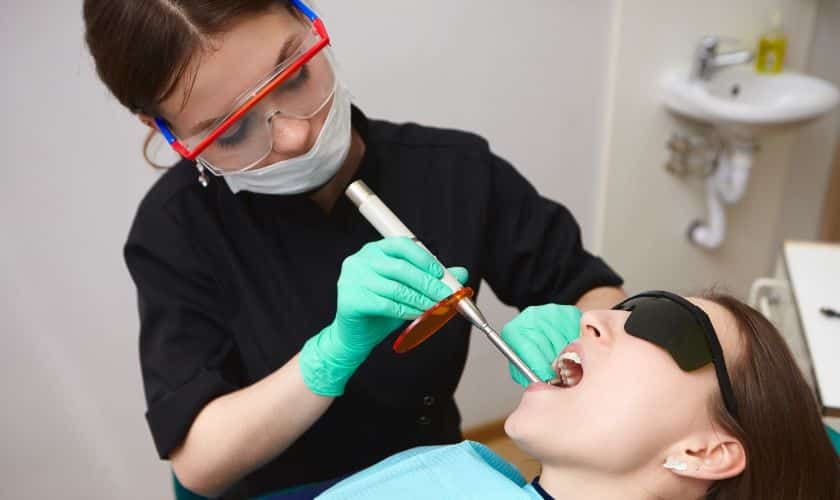
You may wait for pain before you call a dentist. That choice can cost you sleep, money, and sometimes your teeth. Regular checkups with a general dentist do more than clean your smile. They catch quiet problems early, when treatment is simple and less costly. They protect your heart, lungs, and blood sugar. They lower your risk of infection. They help you breathe, chew, and speak without fear.
During a routine visit, your dentist checks for decay, gum disease, infection, and oral cancer. You get honest advice on brushing, flossing, diet, and habits that damage teeth. You also gain a record of your health over time. That record guides smart treatment if trouble starts.
If you have put off care, you are not alone. A trusted general dentist in Jackson, OH can help you start again with clear steps and steady support.
Regular checkups protect your whole body
Your mouth is part of your body. When it hurts, the rest of you pays the price. Skipping checkups raises your risk for problems that reach far beyond teeth.
Research links poor oral health with heart disease, stroke, and trouble with blood sugar. Germs from infected gums can enter your blood. They can strain your heart and blood vessels. They can also make diabetes harder to control.
The Centers for Disease Control and Prevention reports that almost half of adults over thirty have gum disease. Many feel no pain until the damage is serious. Regular visits give your dentist a chance to spot these changes early and act fast.
What really happens at a general dentist checkup
A checkup is more than a quick look. It is a steady, step-by-step review of your health.
- Review of your health history and medicines
- Blood pressure check in many offices
- Exam of teeth, gums, tongue, cheeks, and jaw
- Screening for oral cancer
- Cleaning to remove plaque and tartar
- Advice on brushing, flossing, and diet
- Plans for any needed treatment
Each step aims at three goals. Stop pain before it starts. Keep infection out of your body. Protect your ability to eat, speak, and smile with confidence.
Silent problems a dentist can find early
Many mouth problems grow in secret. You may not see or feel them until they reach a crisis. A general dentist looks for quiet warning signs.
- Small cavities between teeth
- Early gum swelling and bleeding
- Cracks in fillings or crowns
- Wear from grinding or clenching
- White or red patches that may signal cancer
- Dry mouth that raises decay risk
When caught early, these problems often need simple care. A small filling or a deep cleaning costs less and saves more teeth than an emergency root canal or extraction.
How often should you and your family go
Most people do well with a visit every six months. Some need more frequent care because of gum disease, diabetes, pregnancy, or a weak immune system. Children need regular checkups as soon as the first tooth appears or by age one.
The following table shows common visit timing for different groups.
| Person | Suggested visit schedule | Main reasons
|
|---|---|---|
| Young children | Every 6 months | Watch growth, prevent early decay, teach habits |
| Teens | Every 6 months | Check for cavities, crowding, sports injury |
| Healthy adults | Every 6 months | Prevent decay and gum disease, screen for cancer |
| Adults with gum disease | Every 3 to 4 months | Control infection, protect bone, reduce tooth loss |
| Adults with diabetes or heart disease | Every 3 to 6 months | Lower risk of flare-ups and hospital stays |
| Pregnant people | At least once each trimester | Manage gum changes, support comfort and nutrition |
Cost now versus cost later
Many people skip checkups because of cost. That choice often leads to higher bills and more stress later. Early care is cheaper than crisis care.
- Cleaning and exam usually cost much less than a root canal
- A small filling costs less than a crown
- Keeping your own tooth is often cheaper than pulling it and replacing it
Preventive visits also protect school and work time. Fewer emergencies mean fewer missed days and fewer long nights in pain.
Support for anxious patients
Many adults fear the dentist because of past pain, sound, or smell. That fear is common and real. A good general dentist listens and adjusts care.
You can:
- Tell the staff about your fear before the visit
- Agree on a hand signal to pause treatment
- Ask for numbing and other comfort steps
- Bring a trusted person for support
Small, steady visits often feel easier than rare, long emergency visits. Each calm visit can replace an old memory with a new one.
Building lifelong habits for children
Children learn from what you do. When they see you keep regular checkups, they learn that mouth care is normal. They also gain a safe place to ask questions and share worries.
The National Institutes of Health explains that poor oral health in childhood can affect growth, speech, and school performance. Regular visits help protect your child’s energy, focus, and social comfort.
When to call a general dentist right away
Do not wait for your next checkup if you notice:
- Tooth pain that lasts more than a day
- Swollen or bleeding gums
- A sore that does not heal in two weeks
- Loose teeth in an adult
- Jaw pain or trouble opening wide
- Sudden break or crack in a tooth
Quick care can stop infection, protect your airway, and save your tooth. It can also cut down the time you miss from work or school.
Take the next simple step
You do not need a perfect mouth to earn care. You only need a first call. Set up a checkup. Bring your questions. Share your concerns about cost, fear, or time. Your general dentist can help you build a clear plan that fits your life.
Regular checkups are not a luxury. They are a basic form of self-defense for your body, your budget, and your daily comfort.

Leave a Reply