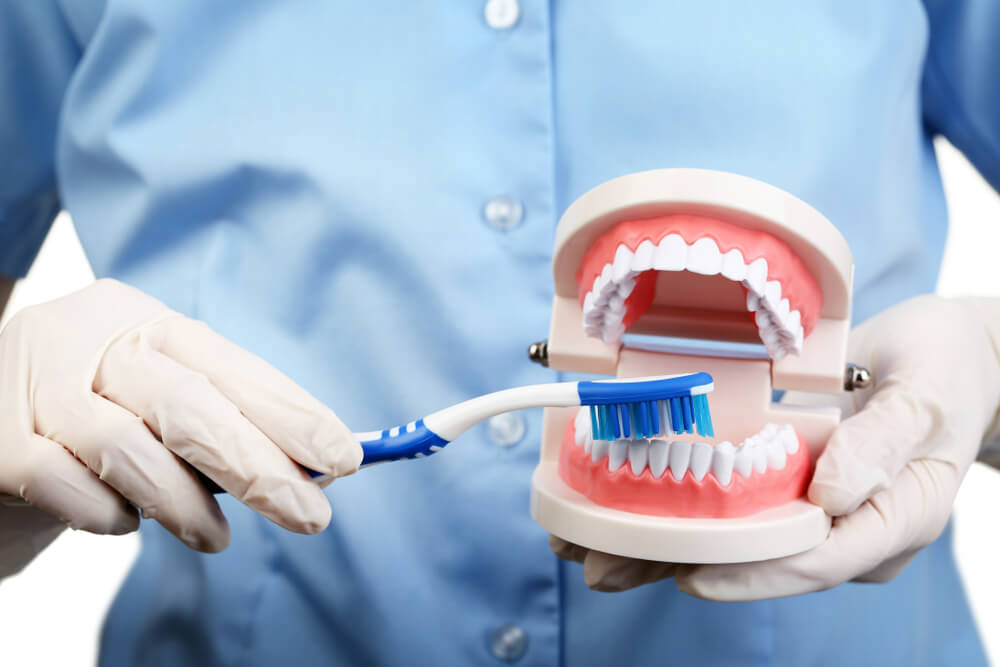
Preventive dentistry protects you from pain, fear, and a long recovery. You do not need to wait for a toothache before you act. Instead, you can use simple steps that keep your mouth calm and your body strong. Regular cleanings, checkups, and early treatment lower your risk of infection. They also shorten the time in the chair and reduce the need for shots or drilling. Every visit is a chance to catch small problems before they grow. That means fewer surprises and less stress. A Livermore dentist can guide you through a clear plan that fits your daily life. You learn how to brush and floss in a way that actually works. You also gain support with food choices, home care tools, and honest answers. This blog explains how preventive care keeps you comfortable, protects your wallet, and supports your confidence.
How Preventive Dentistry Reduces Pain
Tooth pain often comes from decay, infection, or gum disease. These problems grow in silence. You may feel fine until the damage reaches the nerve. Then you face throbbing pain, swelling, and long treatment.
Preventive care breaks this pattern. During a routine visit, your dentist can:
- Check each tooth for soft spots and tiny cracks
- Measure your gums for early signs of disease
- Look for dry mouth, clenching, or grinding
Early care often means a quick polish, a small filling, or a change in home care. That keeps the drill light and the visit short. It also reduces the chance that you will need root canals or tooth removal later. You stay ahead of pain instead of chasing it.
Comfort Benefits For Different Ages
Each stage of life brings different mouth problems. Preventive care adjusts to you and your family.
- Babies and young children. Early visits help your child see the office as a safe place. The dentist checks new teeth, coaches on thumb sucking, and shows you how to clean tiny mouths.
- School-age children and teens. Sealants, fluoride, and sports mouthguards protect growing teeth. Regular care also supports braces and reduces the risk of white spots and cavities around brackets.
- Adults. Stress, smoking, pregnancy, and certain medicines change your mouth. Routine cleanings and gum checks help you manage bleeding gums, grinding, and dry mouth.
- Older adults. Dentures, implants, and chronic disease raise the risk of infection. Gentle cleanings and simple home tools protect comfort and chewing strength.
Key Preventive Services That Support Comfort
Several routine services protect comfort over time. Each one aims to stop trouble before it starts.
- Professional cleanings. Plaque hardens into tartar that a brush cannot remove. Cleanings clear this buildup. That reduces gum swelling and bleeding.
- Fluoride treatments. Fluoride strengthens enamel. It makes teeth more resistant to acid and less likely to decay.
- Dental sealants. Sealants cover deep grooves in back teeth. Food and germs can no longer hide in those pits.
- X rays when needed. Images help your dentist see decay between teeth and bone loss around roots. You can treat problems while they are still small.
- Night guards. If you grind, a custom guard protects teeth and jaw joints. That often eases morning headaches and jaw soreness.
The Centers for Disease Control and Prevention explains how sealants and fluoride protect children.
Home Habits That Keep You Comfortable
Your daily routine shapes your comfort. Office visits work best when you pair them with simple home steps.
- Brush twice a day with fluoride toothpaste
- Clean between teeth every day with floss or small brushes
- Limit sugary drinks and snacks between meals
- Drink water after coffee, tea, or juice
- Use a mouthguard for contact sports
- Do not smoke or vape
These habits slow the decay and gum disease. They also help control bad breath. Your mouth feels clean. Your gums stay firm and calm.
Preventive Care Versus Emergency Care
Preventive care and emergency care feel very different. The table below shows how they compare.
| Type of care | When it happens | Common reason | Comfort impact | Typical cost and time
|
|---|---|---|---|---|
| Preventive visit | Planned every 6 to 12 months | Checkups and cleanings | Mild sensation. Short visits. Less stress. | Lower cost. Routine time off work or school. |
| Early repair | Soon after a small problem is found | Small cavity or early gum issue | Limited numbing. Quick recovery. | Moderate cost. One short visit. |
| Emergency visit | Unplanned and urgent | Severe pain, swelling, or broken tooth | High stress. Longer, more intense treatment. | Higher cost. Possible time in hospital. Missed work or school. |
When you stay current with checkups, you spend more time in the first row and less time in the last. You protect your comfort and your budget.
Support For Patients With Dental Fear
Many people carry fear from past visits. You may worry about pain, needles, or loss of control. Preventive dentistry can calm these fears.
- You face smaller problems that need lighter treatment
- You build trust through regular, calm visits
- You can talk about your triggers and plan care that respects them
Some offices offer numbing gels, noise-cancelling headphones, and breaks during treatment. Clear talk before each step gives you control. Over time, your fear can soften. Your mouth stays healthy without panic or shame.
When To Schedule Your Next Visit
You should schedule a preventive visit if:
- You have not seen a dentist in the past year
- Your gums bleed when you brush or floss
- You feel sharp pain with cold or sweet foods
- You notice bad breath that does not fade with brushing
- You are pregnant or starting new medicines
Early action protects you from hard choices later. Preventive dentistry keeps you in control. It guards your comfort, your time, and your peace of mind.

Leave a Reply