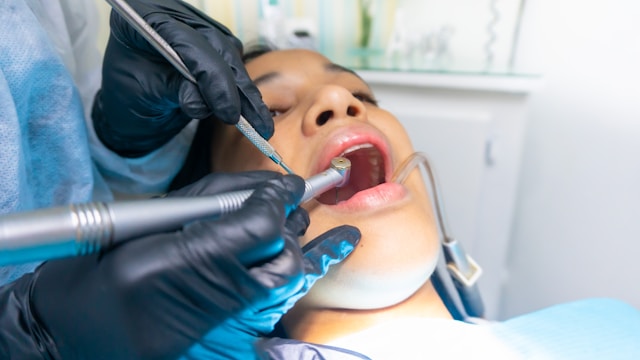
When your child needs dental treatment, fear can hit you hard. You want care that protects your child’s teeth and also protects their trust. Sedation can help, yet it often raises new questions. You may worry about safety, side effects, or how your child will feel afterward. You deserve clear facts, not confusing medical talk. This guide explains common sedation options for children. It shows when each one is used, what your child might feel, and how you can prepare at home. It also explains what to ask a pediatric dentist for children in NYC so you can walk into the office with steady nerves. You will learn how dentists watch your child during sedation, what risks to know, and how you stay part of each choice. With the right information, you can protect your child’s health and calm your own fear.
Why dentists use sedation for children
Children often fear dental sounds, bright lights, and strange tastes. Some also have strong gag reflexes or trouble sitting still. Sedation can help your child
- Stay calm during treatment
- Cooperate with the dentist
- Leave with fewer upsetting memories
Sometimes sedation is also safer. It can prevent sudden movement during shots, fillings, or extractions. That protects the mouth and face. It also lets the dentist finish treatment in fewer visits, which lowers stress for your child and for you.
The main types of pediatric dental sedation
Most children receive one of four common options. Each has a different level of effect and a different way it enters the body.
Common sedation options for children
| Type | How it is given | Awake or asleep | Common use |
|---|---|---|---|
| Laughing gas (nitrous oxide) | Mask over nose | Awake and able to respond | Mild fear, simple treatment |
| Oral sedation | Drink or liquid medicine | Sleepy but can respond | Moderate fear, longer visits |
| IV sedation | Medicine in a vein | Very sleepy and often remembers little | Strong fear, long or complex work |
| General anesthesia | IV and breathing support | Fully asleep with no memory | Extensive work or special health needs |
Laughing gas
Nitrous oxide, often called laughing gas, is the lightest option. Your child breathes it through a small mask over the nose. The gas creates a calm, floaty feeling. Your child stays awake and can answer questions. The effect starts fast and fades within minutes after the mask comes off.
Dentists often use laughing gas for
- Routine cleanings with strong fear
- Small fillings
- Children with a strong gag reflex
The gas leaves the body through normal breathing. That means your child can usually return to school the same day. You still need to watch for nausea or headache, but those pass quickly in most children.
Oral sedation
Oral sedation is a liquid medicine your child drinks before treatment. It takes longer to start. It also lasts longer than laughing gas. Your child may feel heavy, sleepy, or quiet. Many children remember little of the visit, yet they still breathe on their own and can react to voice or touch.
Oral sedation helps when your child
- Has strong fear or past trauma
- Needs several fillings or crowns
- Has trouble with shots inside the mouth
You must follow food and drink rules before oral sedation. These rules lower the risk of vomiting. They also lower the risk of breathing problems. The dentist should explain these rules in clear writing. You can read an example of safe fasting rules for children in the American Academy of Pediatric Dentistry sedation guideline.
IV sedation
IV sedation uses medicine given through a small tube in your child’s vein. The effect is stronger and more controlled. Your child is very sleepy and relaxed. Many children remember little or nothing. A trained professional watches your child’s breathing, heart rate, and oxygen level every minute.
IV sedation may be right when
- Your child has a severe fear and refuses care
- Treatment will take a long time
- Other methods have failed
The dentist may work with a dental anesthesiologist or a medical anesthesiologist. You should ask who gives the medicine, who watches the monitors, and what backup equipment is ready in the room.
General anesthesia
General anesthesia makes your child fully asleep. A breathing tube often supports the airway. This level of care should only be given by a trained anesthesia provider in a hospital or in a surgery center with hospital-grade equipment.
General anesthesia is usually for children who
- Need full mouth treatment
- Have special health needs that block safe care while awake
- Are very young and cannot follow directions
You can review background facts on anesthesia safety from the U.S. Food and Drug Administration. This resource can support a calm talk with your dentist and your child’s doctor.
How dentists protect your child during sedation
Safe sedation depends on planning and constant watching. Before treatment, the dentist should
- Review your child’s medical history and medicine list
- Check allergies and past reactions to drugs
- Explain food and drink rules
During treatment the team should
- Monitor breathing, heart rate, and oxygen
- Record medicine doses and times
- Have emergency supplies ready in the room
After treatment, they should watch your child until breathing, movement, and alertness return to normal for that level of sedation. You should receive clear written instructions before you leave.
Questions to ask before you agree
Clear questions protect your child. You can ask
- Why is this level of sedation needed for this treatment
- Who will give the medicine and who will watch my child
- What training and licenses do you hold for pediatric sedation
- What risks apply to my child’s age and health
- What signs at home mean I should call you or seek urgent care
Trust grows when your dentist answers with plain language and does not rush you. You deserve time to think before you sign.
How to prepare your child and yourself
Three simple steps can ease the day
- Explain what will happen using short, honest words that match your child’s age
- Follow food and drink rules exactly
- Plan for rest at home after the visit
Your calm voice helps your child steady their own fear. You do not need perfect words. You only need truth, patience, and clear choices. With the right facts, you can face sedation with steady resolve and protect both your child’s teeth and their trust.