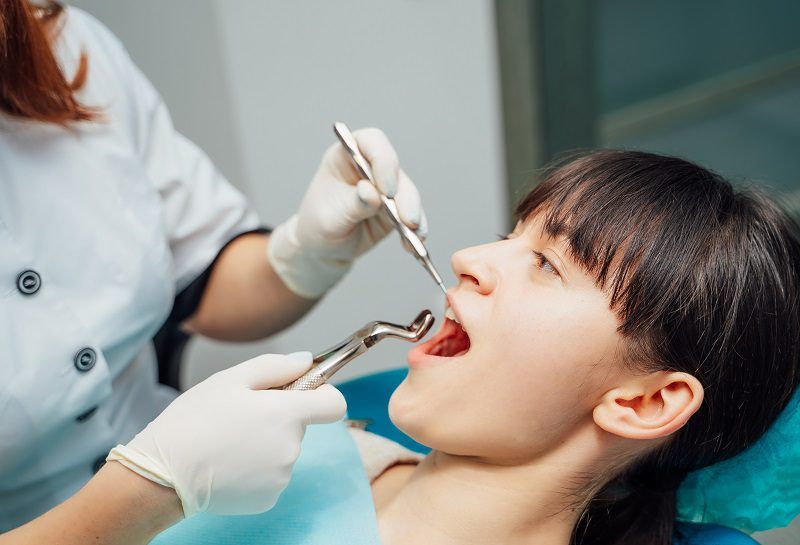
You trust your dentist to fix problems. You deserve one who also spots trouble early. General dentists now use advanced screenings that find silent decay, gum disease, and even signs of oral cancer before you feel pain. These tools do not replace a careful exam. Instead, they sharpen it. A dentist in Chalfont, PA can use digital scans, special lights, and simple chairside tests to read what your mouth is hiding. Early findings mean smaller fillings, easier cleanings, and less time in the chair. They also protect your heart health, blood sugar, and breathing during sleep. This blog explains what these screenings are, why they matter, and how they change your visits. You will see how a few extra minutes during a checkup can protect your comfort, your budget, and your long term health.
Why early screenings change your health story
Tooth problems grow in silence. By the time you feel a sharp ache, decay or infection has already spread. Early screenings break that cycle. They give you three clear gains.
- Less pain and fewer emergencies
- Lower treatment costs
- Better general health
The Centers for Disease Control and Prevention reports that nearly half of adults over 30 have some form of gum disease. You may not feel it. A short screening can find swelling and bone loss before teeth loosen. That can save years of chewing strength.
Key advanced screenings your general dentist may use
Your checkup still starts with a mirror and a probe. Then your dentist may add three tools.
- Digital X rays
- Intraoral cameras
- Special light or dye checks for early cancer and thin enamel
Each tool looks for something different. Together, they give a clear map of your teeth, gums, and soft tissue.
Digital X rays
Digital X-rays use sensors and a computer screen. You see your teeth in sharp detail. Your dentist sees decay between teeth, infections at the root tip, and bone loss that the eye cannot catch.
Digital X-rays use less radiation than older film systems. The American Dental Association explains how dentists weigh risk and timing in its guide on dental X-rays. You still need them only as often as your health and risk level demand.
With digital images your dentist can
- Zoom in on small dark spots before they become deep cavities
- Measure bone height around teeth
- Plan root canals and extractions with more safety
Intraoral cameras
An intraoral camera is a tiny camera on a wand. It takes color pictures of your teeth and gums in real time. These images show cracks, worn edges, and plaque that hides near the gumline.
This tool helps you see what your dentist sees. That makes choices easier. When you see a crack or stain on a big screen, you understand why a filling or crown can stop it from breaking further.
Oral cancer and soft tissue screenings
Oral cancer often starts as a small patch or sore. It may not hurt. Your dentist looks with the eye and fingers first. Then your dentist may use a special light or rinse. These can show abnormal cells that reflect light in a different way.
This screening takes only a few minutes. If your dentist finds a concerning patch, you may need a sample test with a specialist. Early cancer treatment can protect speech and chewing and can save your life.
Gum health and bone support checks
Healthy gums hold your teeth in place. When bacteria collect under the gum edge, they cause swelling and bone loss. Your dentist uses three simple checks.
- Gum measurements with a thin probe
- Review of X-rays for bone height
- Checks for bleeding during gentle cleaning
These steps show if you have gingivitis or periodontitis. Treatment can be as simple as deeper cleanings and better home care. If you wait, you may face loose teeth or extractions.
How screenings change treatment choices
Advanced screenings often turn big problems into small repairs. The table below shows how timing affects the care you need.
| Problem | Found early with screenings | Found late after symptoms
|
|---|---|---|
| Tooth decay | Small filling. Short visit. Lower cost. | Large filling or crown. Possible root canal. Higher cost. |
| Gum disease | Deep cleaning. Closer checkups. Teeth stay stable. | Loose teeth. Surgery or extractions. Possible dentures. |
| Oral cancer | Small spot removed. Better chance of full recovery. | Large surgery. Tough treatment. Higher risk of spread. |
| Cracked tooth | Crown or bonding. Tooth saved. | Breaks at the root. Tooth loss. Need an implant or bridge. |
Links between your mouth and the rest of your body
Screenings do more than protect teeth. They also give clues about heart disease and diabetes. Ongoing gum infection stresses your immune system. That strain can raise blood sugar and add pressure on your heart and blood vessels.
By treating gum problems early, you lower that strain. You also lower the spread of bacteria into your blood. Your dentist may spot dry mouth, worn teeth from grinding, or airway signs that suggest sleep apnea. With that information, your medical team can act sooner.
What to expect and how to prepare
Your next visit may feel a bit different. You can expect three steps.
- A short talk about your health, medicines, and sleep
- Advanced screenings during your cleaning and exam
- Clear images and simple explanations of any findings
You can prepare by bringing a list of your medicines. You can note any mouth sores, jaw pain, or changes in your bite. You can also ask which screenings your dentist uses and how often you need them.
Taking your next step
Advanced screenings turn a routine checkup into real protection. You gain more control when you see real images and clear data. You also give your dentist the chance to act before damage grows.
By saying yes to these simple tests, you protect three things that matter. You protect your comfort. You protect your savings. You protect your long-term health.

Leave a Reply