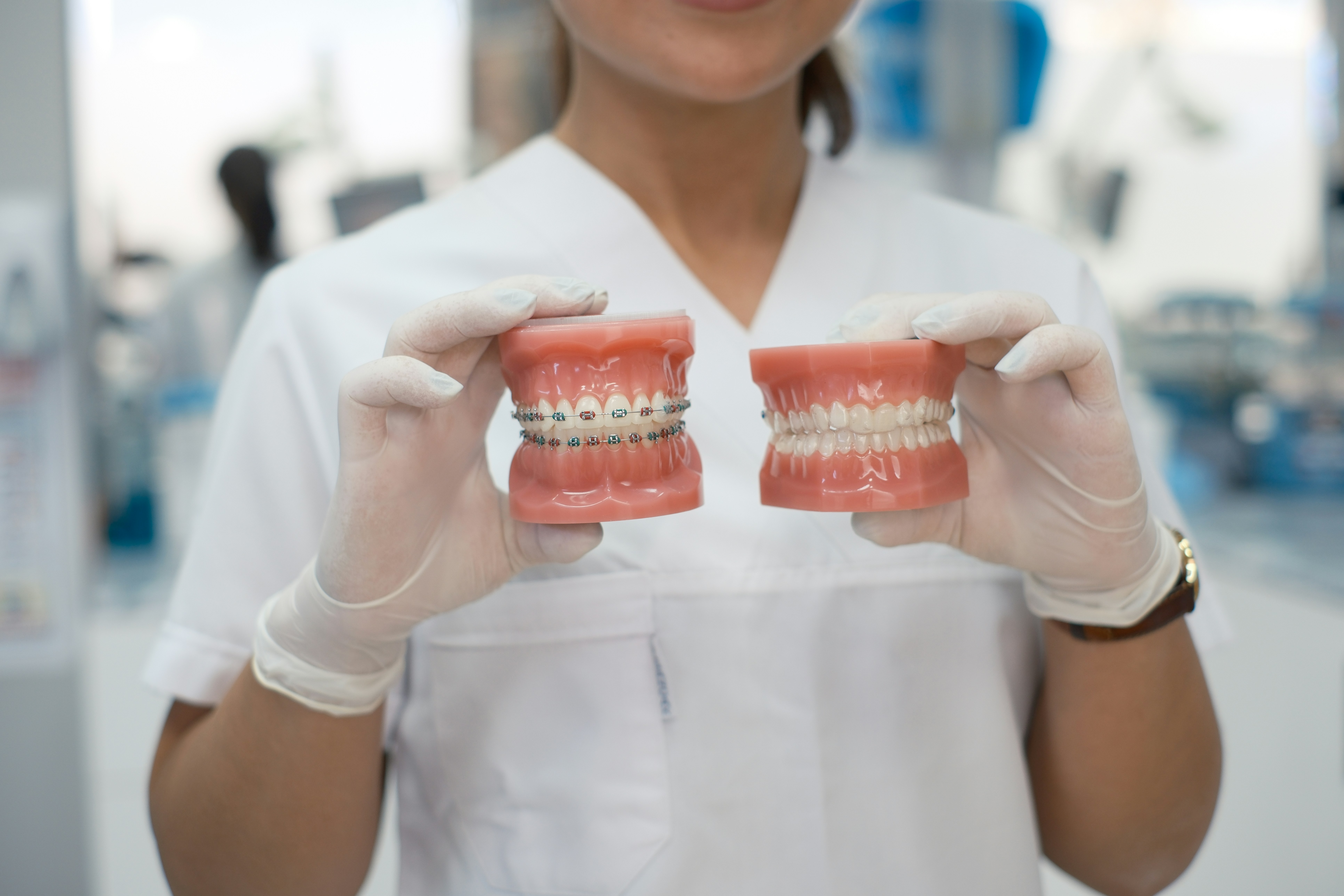
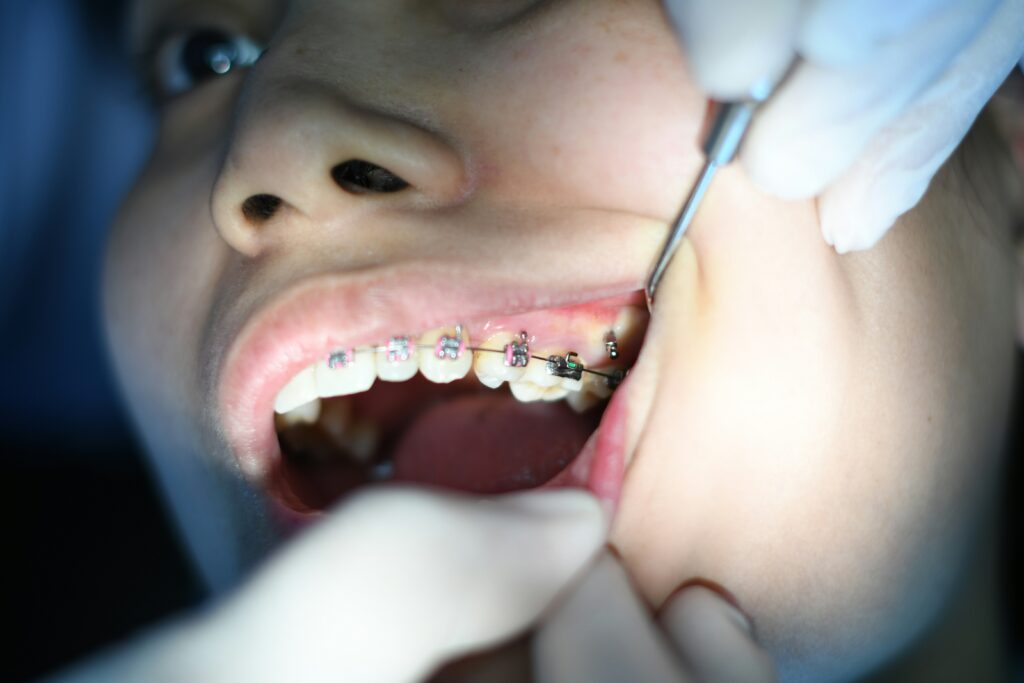
Complex dental problems can drain your energy and confidence. Crowded teeth, jaw pain, or a bite that never feels right can affect how you eat, speak, and smile. In these moments, you need clear answers, not confusion. An experienced orthodontist steps in with a focused plan. You receive care that looks beyond one tooth and addresses your whole mouth. This support can prevent future tooth loss, shorten treatment time, and reduce pain. If you are facing ongoing issues, an orthodontist in Tuckahoe, Eastchester, NY can coordinate with your general dentist and other specialists. Together, they protect your health and comfort. This blog explains five precise ways orthodontists manage complex dental cases so you know what to expect, what questions to ask, and how to move forward with less fear and more control.
1. They create a clear map of your whole mouth
Complex cases start with careful records. You do not guess your way through years of treatment. You need a map.
An orthodontist studies:
- Photos of your teeth and face
- X-rays that show teeth, roots, and bone
- Digital scans or molds of your bite
Next, the orthodontist measures how your teeth fit together. You learn where teeth are stuck, twisted, or missing. You also learn how your jaw joints move when you open and close.
The plan is not just about straight teeth. It is about safe chewing, clear speech, and easier cleaning. The National Institute of Dental and Craniofacial Research shows that crowded teeth raise your risk of tooth decay. A strong plan lowers this risk over your lifetime.
By the end of this step, you will know three things. You know what is wrong. You know what is possible. You know how long it may take.
2. They coordinate with your other dental providers
Complex cases rarely stand alone. You may need fillings, root canals, gum treatment, or jaw surgery. You should not carry the burden of juggling every visit.
Orthodontists coordinate with:
- General dentists who repair and maintain teeth
- Periodontists who treat gum disease and bone loss
- Oral surgeons who remove teeth or correct jaw size
- Speech or airway specialists when needed
Treatment steps are timed so one step does not undo another. For example, you may need braces to move teeth before a missing tooth is replaced. Or you may need gum treatment before the teeth can move safely.
Team care can feel slow. Yet it often saves teeth and money over time. It also lowers the chance of setbacks and extra procedures.
3. They use different tools for different complex problems
No single tool fits every complex case. Orthodontists match the tool to your needs and your health.
| Treatment tool | Best for | Key benefits | Possible limits
|
|---|---|---|---|
| Metal or ceramic braces | Severe crowding or large bite problems | Strong control of tooth movement | Harder to clean around brackets |
| Clear aligners | Mild to some moderate complex cases | Removable for eating and brushing | Need high daily wear time |
| Palate expanders | Narrow upper jaw in growing children | Creates room and can improve bite | Works best before growth ends |
| Temporary anchorage devices | Stubborn teeth that need strong pulling | Move teeth without affecting neighbors | Small minor surgery needed to place |
| Jaw surgery with braces | Large jaw size differences in adults | Improves bite and facial balance | Higher cost and healing time |
The orthodontist explains why a tool is chosen and what you must do each day. This shared plan helps you stay steady through long treatment.
4. They protect your teeth and gums during treatment
Complex treatment takes time. During that time, your teeth and gums need steady protection.
Orthodontists focus on three forms of protection.
- Stronger cleaning routines
- Control of harmful habits
- Careful checkups
You learn how to brush around wires and brackets. You also learn how to clean between teeth with floss threaders or small brushes. The Centers for Disease Control and Prevention explains that poor cleaning can lead to cavities and gum disease. Strong daily cleaning keeps your progress safe.
Orthodontists also watch for grinding, clenching, or thumb sucking. These habits can undo progress or damage teeth. You may receive night guards or other support to control them.
Regular visits catch early warning signs. White spots, swollen gums, or loose brackets are addressed before they grow into larger damage.
5. They plan for life after braces or aligners
Complex treatment does not end when the braces come off. Teeth can drift. Old patterns can return. You deserve a plan that protects your hard work.
Orthodontists use three main tools to hold your results.
- Removable retainers worn at night
- Small bonded wires behind front teeth
- Regular follow-up visits to adjust retainers
You receive clear rules about how long to wear retainers and how to care for them. You also learn which warning signs need a call. These include new gaps, shifting teeth, or jaw pain.
Strong retention is especially important for complex cases. Teeth that moved a long distance or were rotated need steady support. With a good plan, your new bite can stay stable for many years.
Questions to ask your orthodontist about a complex case
Before you start, ask direct questions. Clear answers help you feel less trapped and more prepared.
- What are the three main problems you see with my teeth or jaws
- What are my treatment options and why do you prefer one
- How long will treatment likely take
- What will this cost and what is included
- How often will I need visits
- What happens if I miss visits or cannot follow every step
Complex dental cases can feel heavy. With the right orthodontist, a clear plan, and steady daily care, you can move toward a bite that works better and a smile that feels safe.