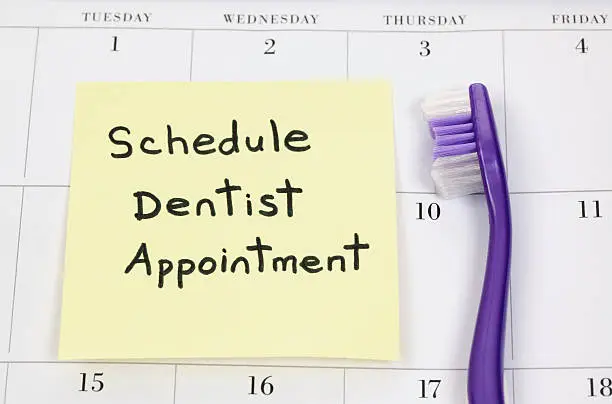
Getting more than one child to the dentist can feel like a small storm every time. Different schedules, different moods, and one waiting room. You want clean teeth and calm nerves. You also want to protect your own energy. This guide gives you six clear tips to plan sibling visits so they feel simple and steady. You will see how to group appointments, prepare each child, and talk with your dentist in Poway about what your family needs. You will learn how to cut down on waiting, reduce stress, and keep everyone moving. You will also see how to handle fear, boredom, and sudden tantrums. Each tip is direct. Each step is something you can start this week. Your time is limited. Your patience has limits, too. Smart planning can protect both.
1. Bookback-to-backk visits when possible
Ask the office to link your children in one block of time. You save travel time. You also cut down on missed work and school. Many offices can place siblings in two chairs in the same room. That setup can calm younger children who want to see an older brother or sister nearby.
Before you call, list these three points.
- School end times
- Work limits for you or another caregiver
- Any child who needs extra time or breaks
Then ask for the shortest window that fits. If the office cannot put all children together, request two blocks on the same day. You still gain control and reduce trips.
2. Match appointment times to each child’s rhythm
You know when each child has more control. Use that knowledge. Early morning works for some children. Late afternoon works for others. Young children often do better before lunch. Teens may focus more after school.
Choose slots that match three things.
- Sleep patterns
- Meal times
- Homework or sports
Then tell the office which child must go first. For example, you might place the most nervous child first while energy is high. Or you might place that child second so they can watch a confident sibling have an easy visit.
3. Prepare each child with simple facts
Children handle dental visits better when they know what will happen. You do not need long talks. You only need clear and steady facts. Use short words. Avoid scary details. Focus on what they will feel, see, and hear.
You can share three points.
- Where you will sit
- How long it will take
- What happens when it is over
For younger children, you can read short stories about dental visits. You can use free resources from the Centers for Disease Control and Prevention on children’s oral health. You can show pictures of a dental chair and tools so the room feels less strange.
4. Use a shared bag for comfort and focus
A shared “dental day” bag can keep everyone calmer. Pack the same bag for every visit. That routine sends a clear message. It tells your children what to expect. It also keeps you from rushing to find last-minute items.
Here are three things to include.
- Small toys or books that do not make noise
- Paper and crayons for drawing
- Simple snack for after the appointment if your dentist approves
Explain that the bag stays closed during the cleaning and opens in the waiting room only. That rule sets a clear start and end to the visit. It also gives children something to look forward to when they leave the chair.
5. Set clear roles for older and younger siblings
Siblings can help, or they can add stress. You can guide which one happens. Before the visit, give each child a role. Keep roles simple. Keep them kind.
Possible roles include three core parts.
- Helper sibling who walks with a younger child to the chair
- Quiet model who shows how to sit still and open wide
- Story leader who picks a topic for everyone to talk about on the way home
Explain that teasing about fear or pain is not allowed. You protect each child. That rule builds trust. It also makes the office feel like safe ground where no one gets mocked.
6. Plan rewards that support long-term habits
Rewards can create strong habits when used with care. Choose rewards that point your children toward daily brushing and flossing. Avoid food rewards that load on sugar. You want the message to match the visit.
Here are three reward ideas that work well.
- Sticker chart that tracks two minutes of brushing twice a day
- Extra time for a favorite family activity
- Picking the next audiobook or playlist for the drive
You can match rewards to the guidance from the National Institute of Dental and Craniofacial Research on children’s oral health. That source explains how daily habits prevent cavities and protect gums. Your reward plan can echo those messages.
Sample schedule for two or three siblings
The table below shows how you might arrange visits for two or three children in one afternoon. You can adjust times for your own home, school, and work needs.
| Time | Child | Focus of visit | Parent task |
|---|---|---|---|
| 2:30 pm | Child A | Cleaning and checkup | Talk with dentist about any pain or changes |
| 2:50 pm | Child B | Cleaning and x rays if needed | Keep Child C busy with a quiet activity |
| 3:10 pm | Child C | Cleaning or quick exam | Review care plan and next visit dates |
Pulling everything together
Coordinating sibling appointments takes effort. Yet it can also give you more control. You group visits. You match times to each child. You prepare with simple facts. You set clear roles and steady rewards. Over time, the dental office can start to feel ordinary. Your children learn that care is part of life, not a crisis. You gain calmer days, fewer last-minute surprises, and a better chance to protect every smile in your home.
jackpotcitybr says
Hey, jackpotcitybr is a solid choice if you are looking for some online games. The loading times are quick and graphics are clean. Check it out: jackpotcitybr
gà chọi c1 says
Heard about gà chọi c1? It’s okay so far, but do your research before you commit. Remember to checkout gà chọi c1.
m.3f.cassino says
Mobile 3f.cassino, eh? Nice to have on the go! Commute just got a little more interesting! Let’s see what we can do: m.3f.cassino